
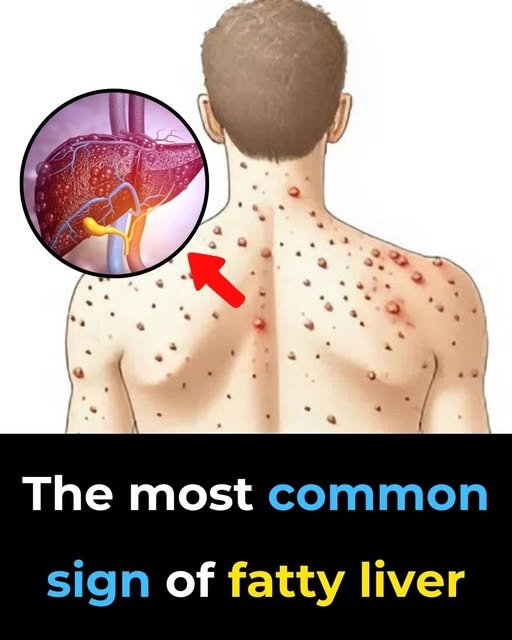
Fatty Liver: Causes, Symptoms, Treatment & Home Remedies
Fatty liver disease is increasingly common but often reversible. This guide explains what causes it, how to spot it early, evidence-based treatments and safe home remedies you can start today.
Quick facts
- What: Fat accumulation in liver cells (NAFLD / MASLD).
- Common causes: obesity, insulin resistance, type 2 diabetes, high triglycerides. :contentReference[oaicite:0]{index=0}
- Symptoms: often none — sometimes fatigue, discomfort in right upper abdomen. :contentReference[oaicite:1]{index=1}
- First-line treatment: weight loss through diet & exercise. :contentReference[oaicite:2]{index=2}
- Home supports: Mediterranean-style diet, green tea, turmeric — some evidence exists. :contentReference[oaicite:3]{index=3}
When to see a doctor
If you have persistent fatigue, jaundice, abdominal swelling, or known risk factors (diabetes, obesity), get evaluated — early care prevents progression. :contentReference[oaicite:4]{index=4}
What is fatty liver disease?
Fatty liver happens when excess fat builds up in liver cells. When caused by metabolic dysfunction rather than alcohol it’s often called nonalcoholic fatty liver disease (NAFLD) or the newer term MASLD (Metabolic dysfunction-Associated Steatotic Liver Disease). Early stages may be harmless, but progressive inflammation (NASH/MASH) can lead to scarring (cirrhosis) and serious complications. :contentReference[oaicite:5]{index=5}
Causes & risk factors
Major drivers include:
- Overweight & obesity — central factor in MASLD. :contentReference[oaicite:6]{index=6}
- Insulin resistance / type 2 diabetes — promotes liver fat.
- High blood lipids (triglycerides) and metabolic syndrome.
- Excess alcohol causes alcoholic fatty liver (separate condition but similar damage).
- Certain medications and rare conditions (e.g., rapid weight loss, pregnancy-related fatty liver) can also contribute. :contentReference[oaicite:7]{index=7}
Symptoms to watch for
Many people have no symptoms. When present, common signs are:
- Persistent fatigue or low energy.
- Dull ache or discomfort under the right rib cage (upper abdomen). :contentReference[oaicite:8]{index=8}
- Unexplained weight loss, jaundice, or swelling in advanced disease (seek urgent care).
How fatty liver is diagnosed
Diagnosis usually starts with blood tests (liver enzymes), imaging (ultrasound, FibroScan) and sometimes liver stiffness measurements or biopsy to assess inflammation and fibrosis. If you have risk factors, your clinician may screen you. :contentReference[oaicite:9]{index=9}
Evidence-based treatments
Lifestyle change is the cornerstone of treatment. Losing weight, improving diet and exercising reduce liver fat and inflammation — even modest weight loss (3–10% of body weight) improves outcomes. :contentReference[oaicite:10]{index=10}
Diet
- Mediterranean-style diet: whole grains, vegetables, legumes, olive oil, fatty fish — associated with liver improvement. :contentReference[oaicite:11]{index=11}
- Limit added sugars, refined carbs, processed foods and saturated/trans fats.
- Control portion sizes and aim for gradual weight loss (≈0.5–1 kg/week).
Exercise
Both aerobic activity and resistance training help reduce liver fat. Aim for regular moderate-to-vigorous activity most days (e.g., 150–240 minutes/week combined). :contentReference[oaicite:12]{index=12}
Medications & medical care
There is no single approved drug that reverses all forms of fatty liver, but some medications (for diabetes, lipids) and clinical trials exist; advanced disease needs specialist care. Discuss options with your hepatologist or GP. :contentReference[oaicite:13]{index=13}
Home remedies & supplements (what the evidence says)
Some natural approaches show promise as adjuncts — but always check with your doctor before starting supplements (drug interactions, dosing):
- Green tea / catechins: clinical trials suggest improvements in liver enzymes and inflammation markers. May be helpful as part of lifestyle measures. :contentReference[oaicite:14]{index=14}
- Turmeric / curcumin: some RCTs show reduced liver enzymes and improved markers; more research is ongoing. :contentReference[oaicite:15]{index=15}
- Omega-3 (fish oil): may reduce liver fat and triglycerides in some studies; discuss dose with your clinician. :contentReference[oaicite:16]{index=16}
- Weight loss via whole-food changes: the strongest “home remedy” — focus on real foods, less sugar and regular activity. :contentReference[oaicite:17]{index=17}
A practical 8-week plan you can start today
- Week 1–2: Track food for 7 days, cut sugary drinks, add 1 extra vegetable/day.
- Week 3–4: Begin structured exercise: 3×/week (30–40 min) combining brisk walking + 2 sessions resistance training.
- Week 5–8: Aim for 5–10% weight loss if overweight; add green tea (1–2 cups/day) and discuss turmeric or omega-3 with your doctor.
FAQ — quick answers
Can fatty liver be reversed? Yes — especially in early stages with weight loss and lifestyle changes. :contentReference[oaicite:18]{index=18}
Is alcohol always involved? Not necessarily — NAFLD/MASLD occurs without excess alcohol; alcoholic fatty liver is a separate but related condition. :contentReference[oaicite:19]{index=19}
Should I take supplements? Some (green tea, curcumin, omega-3) have supportive evidence but consult your doctor first. :contentReference[oaicite:20]{index=20}
Want a personalized action sheet?
Leave a comment with your main concern (e.g., “I have diabetes”, “I drink socially”) and I’ll suggest 3 simple steps you can start this week — not medical advice, just practical ideas.
