
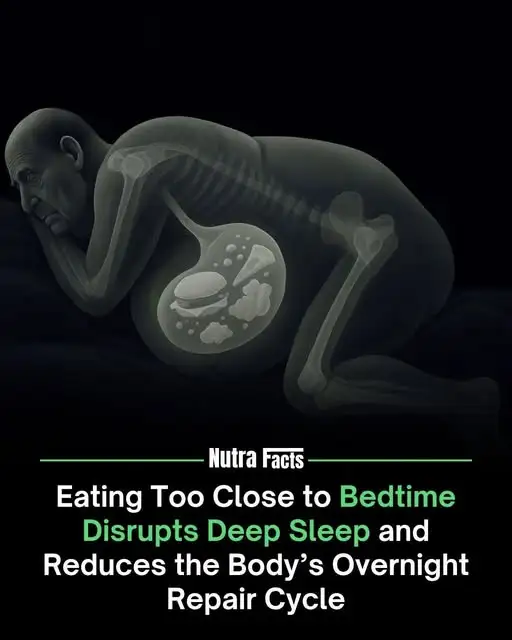
Why Eating Before Bed Could Be Destroying Your Sleep (and What to Do Instead)
Most people believe that if they lie down for eight hours, they’re giving their body the rest it needs. But what if your body isn’t actually resting — even while you sleep?
Here’s the truth: when you eat right before bed, your body doesn’t get the chance to fully relax and restore. Instead of repairing and regenerating, it’s busy digesting. And that small habit could be the reason you wake up groggy, bloated, or still tired after a “full night’s sleep.”
What Happens When You Eat Before Bed
Let’s say you have a big dinner at 10 p.m. and fall asleep by 11. While your mind starts drifting into rest, your body is thrown into digestion mode. Your stomach, liver, pancreas, and intestines are hard at work — breaking down fats, proteins, and carbohydrates, regulating blood sugar, and sorting nutrients.
That means your body is working overtime when it should be relaxing. Instead of entering deep, restorative sleep — the phase when your body repairs tissues, produces hormones, and consolidates memories — your system stays active, making true rest nearly impossible.
Why Digestion and Deep Sleep Don’t Mix
During deep sleep, your body performs some of its most important maintenance tasks: cellular repair, hormone regulation, detoxification, and memory processing. But when you eat late at night, that process is interrupted.
Because your digestive system is still active, your heart rate stays elevated, your metabolism stays high, and your nervous system remains alert. This imbalance can prevent your brain from reaching the REM and deep sleep stages that make you feel truly restored.
Instead of waking up refreshed, you might wake up feeling heavy, puffy, and mentally foggy — even after a full eight hours in bed.
Common Signs You’re Eating Too Late
- Feeling bloated or heavy when lying down
- Waking up in the middle of the night with indigestion or heartburn
- Morning fatigue despite a full night’s sleep
- Vivid or unsettling dreams
- Increased nighttime sweating or higher heart rate
If these sound familiar, it’s not just coincidence — it’s your body struggling to digest while it’s supposed to be repairing.
How Late-Night Eating Affects Hormones and Metabolism
Digestion at night does more than steal your rest — it can throw off your hormones, too. When your body is busy breaking down food, it releases insulin to manage your blood sugar. This process conflicts with your natural melatonin production, the hormone that signals it’s time to sleep.
As a result, your circadian rhythm — your body’s internal clock — gets confused. Your metabolism stays active, cortisol (the stress hormone) can rise, and melatonin drops, all of which make it harder to fall and stay asleep.
Over time, this can lead to poor metabolic health, increased cravings, and even weight gain, as your body learns to associate nighttime with food rather than rest.
The Science of Restorative Sleep
True, restorative sleep begins when your body is free from the demands of digestion. During this time, your cells repair damage, your brain clears toxins, and your organs get a chance to recover. Growth hormone is released, helping you build muscle and burn fat, and your immune system strengthens.
When you give your body time to digest food before sleeping — ideally 4 to 5 hours after your last meal — you allow your nervous system to switch from “digest and process” mode to “rest and restore” mode. That’s when the real healing begins.
Benefits of Avoiding Late-Night Meals
1. Deeper Sleep and More Energy
People who stop eating early often report waking up more energized and focused. Their sleep feels heavier and more satisfying because their body isn’t multitasking through the night.
2. Better Digestion and Less Bloating
Giving your gut time to process food before lying down helps prevent acid reflux, gas, and bloating — all common issues linked to late-night eating.
3. Hormonal Balance and Fat Loss
Stable blood sugar levels at night promote better hormone balance, including insulin sensitivity and melatonin production. This not only supports sleep but can also improve fat metabolism over time.
4. Sharper Mind and Mood
Deep sleep supports cognitive function and emotional regulation. When your body isn’t digesting food, your brain gets the chance to rest, organize memories, and regulate mood.
Practical Tips to Improve Nighttime Digestion and Sleep
- Finish your last meal 4–5 hours before bed. If you sleep at 11 p.m., try to eat dinner around 6 or 7 p.m.
- Keep evening meals light. Opt for lean proteins, cooked vegetables, or soups rather than heavy, greasy dishes.
- Stay hydrated throughout the day — but limit large amounts of water right before bed.
- Avoid alcohol and sugar at night, as they spike blood sugar and disturb REM sleep.
- Practice gentle movement after dinner, like a short walk to aid digestion.
What to Do If You’re Hungry Before Bed
If you genuinely feel hungry before sleep, go for something light and easy to digest — like a small banana, a handful of almonds, or a warm herbal tea. The goal isn’t to starve yourself, but to give your body space to wind down naturally.
When You Let Your Body Heal, Everything Improves
When digestion ends before bedtime, your nervous system transitions into deep restoration mode. Sleep becomes more vivid, cellular repair more efficient, and your mornings brighter. Over time, this small change can enhance your energy, focus, hormonal balance, and mood.
Think of it this way: every night is a chance for your body to heal — but only if you let it. By simply adjusting your meal timing, you’re allowing nature to do its job.
Final Thoughts
True rest isn’t just about closing your eyes — it’s about creating the right conditions for your body to restore itself. Eating too close to bedtime keeps your system busy when it should be resting. But when you give yourself a few hours between your last meal and sleep, your body rewards you with deeper rest, sharper focus, and better health overall.
So tonight, give your body what it really needs — time to rest, not digest.
