
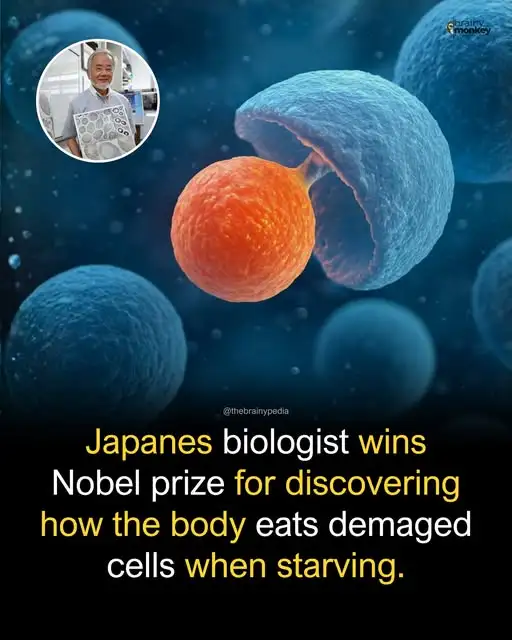
The Nobel Prize Discovery That Revealed How Fasting Rejuvenates Your Cells
Imagine if your body had a natural self-cleaning system — one that could clear out damaged cells, slow aging, and even help protect you from disease. Sounds like science fiction, right? Well, thanks to a Japanese biologist named Yoshinori Ohsumi, we now know this system is very real. It’s called autophagy — and it’s one of the most fascinating biological discoveries of our time.
In 2016, Ohsumi was awarded the Nobel Prize in Physiology or Medicine for uncovering how our cells recycle their damaged parts during times of starvation. His research helped explain why fasting and certain stress responses can trigger powerful healing mechanisms inside the body.
What Is Autophagy?
The word autophagy comes from Greek roots meaning “self-eating.” But don’t let that scare you — it’s actually an incredible survival tool built into your biology. During autophagy, your cells identify old, broken, or toxic components and break them down to reuse the raw materials for energy or repair.
Think of it as your body’s own recycling system — one that keeps your cells young, efficient, and clean.
When your body goes without food for a while (like during fasting), or when cells face stress, autophagy kicks in. This process not only conserves energy but also removes waste and damaged proteins that could otherwise lead to disease.
How Yoshinori Ohsumi Made the Discovery
Before Ohsumi’s work, scientists had seen signs of this recycling process in cells, but no one really understood how it worked or what controlled it. Ohsumi changed that.
Working with yeast cells in the 1990s, he designed clever experiments to isolate the genes responsible for autophagy. He observed how, when nutrients were scarce, yeast cells activated this “clean-up mode” to break down their internal components and survive.
His findings revealed that autophagy is a deeply conserved process — meaning it happens not only in yeast but also in human cells. This breakthrough opened the door to understanding how our own bodies use autophagy to repair damage, resist disease, and maintain balance.
Why Autophagy Matters for Human Health
Ohsumi’s discovery reshaped how scientists think about health and longevity. Today, we know that autophagy plays a key role in aging, immunity, and even disease prevention. When autophagy is functioning properly, it helps the body stay resilient and balanced. But when it’s impaired, trouble begins.
1. Cellular Detox and Longevity
Autophagy helps clean out toxic waste that builds up inside cells. This includes damaged proteins and malfunctioning mitochondria (the cell’s energy factories). By removing these harmful elements, autophagy supports healthy aging and helps delay age-related decline.
2. Protection Against Diseases
Research suggests that poor autophagy may contribute to chronic illnesses such as cancer, Alzheimer’s, Parkinson’s, and type 2 diabetes. In contrast, activating autophagy — through fasting or caloric restriction — may help reduce inflammation and improve cellular health.
3. Boosted Immunity
Your immune system also relies on autophagy to destroy harmful bacteria and viruses. When cells can efficiently recycle their contents, they become better at defending against infections and maintaining balance.
4. Better Metabolic Function
Autophagy also helps regulate metabolism by breaking down stored fats and improving insulin sensitivity. That’s one reason fasting and intermittent fasting have become so popular — they naturally stimulate this process.
Fasting and Autophagy: How They’re Connected
Ohsumi’s work helped explain why people who practice fasting often report improved mental clarity, more energy, and better overall health. When you stop eating for several hours, your body begins to shift from digestion to repair mode. This is when autophagy activates.
In essence, fasting gives your body a chance to clean house. Without the constant influx of new food to process, your cells can focus on renewal, detoxification, and repair.
According to studies inspired by Ohsumi’s findings, autophagy typically starts around 12–16 hours into a fast and becomes stronger the longer you go without eating (within safe limits, of course).
Real-Life Impacts of Ohsumi’s Discovery
Ohsumi’s work didn’t just stay in the lab. It’s now at the core of cutting-edge research in longevity, neuroscience, and cancer prevention. His findings have inspired new therapies and lifestyle approaches focused on activating the body’s natural renewal mechanisms.
- In aging research, autophagy is seen as a key factor in slowing cellular decline.
- In cancer studies, it’s helping scientists understand how to prevent damaged cells from multiplying.
- In neuroscience, it’s linked to protecting brain cells from degeneration and improving memory.
Autophagy in Everyday Life: Can You Activate It Naturally?
The great news? You don’t need a lab to benefit from Ohsumi’s discovery. You can naturally support your body’s autophagy process through everyday habits.
1. Try Intermittent Fasting
One of the most effective ways to trigger autophagy is by fasting for short periods. Even a 14–16 hour fast can help your cells begin the renewal process. Always consult your doctor first, especially if you have medical conditions.
2. Eat a Clean, Nutrient-Rich Diet
Focus on whole foods, antioxidants, and healthy fats. Reduce processed foods and sugar, which can disrupt your body’s natural repair systems.
3. Get Enough Sleep
Autophagy is most active during sleep. Prioritize quality rest to allow your cells to heal and recharge overnight.
4. Move Your Body
Exercise has been shown to activate autophagy as well — especially aerobic activities like walking, running, or cycling. It helps your body manage stress and clear out damaged cells faster.
The Legacy of Yoshinori Ohsumi
Yoshinori Ohsumi’s discovery of autophagy changed the world’s understanding of how the human body maintains balance and heals itself. By revealing how cells can recycle their damaged parts, he gave science a deeper understanding of why fasting, exercise, and proper nutrition matter for longevity.
His work opened an entirely new chapter in biology — one that continues to shape medical research and inspire millions of people to care for their bodies more mindfully.
Final Thoughts
Autophagy isn’t just a scientific term — it’s your body’s built-in miracle. Thanks to Ohsumi’s groundbreaking discovery, we now understand that health isn’t only about what you eat, but also about when you allow your body to rest and renew itself.
So next time you hear about fasting or cellular renewal, remember — your body already knows how to heal itself. You just need to give it the chance.
#HealthScience #Autophagy #NobelPrizeDiscovery #YoshinoriOhsumi #CellularRenewal
