
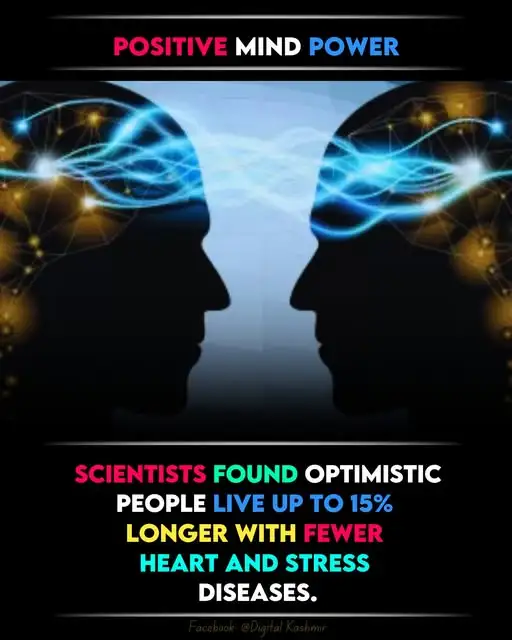
The Harvard Study That Proves Optimism Can Help You Live Longer
What if one simple mindset shift could add years to your life? No pills. No diets. Just a change in perspective.
According to groundbreaking research from Harvard University, people who maintain a positive outlook tend to live significantly longer than those with a more pessimistic mindset. Scientists followed more than 70,000 adults for over a decade and found that optimism was linked to a 15% increase in lifespan — and a lower risk of heart disease and premature death.
In other words, how you think can shape how long you live.
The Science Behind the Study
The Harvard research, published in a major medical journal, didn’t just ask participants how happy they were. It measured how their mindset affected their physical health over time. The results were striking: optimists were healthier, aged better, and lived longer.
One of the lead researchers explained that positive thinkers are more likely to engage in behaviors that support good health — such as exercising regularly, eating nutritious food, and maintaining social connections. But the magic goes deeper than habits. Optimism also changes your biology.
Optimism and the Body: A Real Connection
When you think positively, your brain produces fewer stress hormones like cortisol and more feel-good chemicals such as serotonin and dopamine. These neurotransmitters help regulate mood, boost the immune system, and reduce inflammation — all of which play a role in long-term health.
Chronic pessimism, on the other hand, keeps your body in a constant state of tension. Elevated stress hormones can damage your heart, suppress immunity, and even speed up cellular aging. Over years, that adds up to a real difference in lifespan.
How Optimism Strengthens the Heart
Heart disease remains one of the leading causes of death worldwide, but optimism seems to offer natural protection. Harvard’s study showed that people who scored high on optimism had a lower risk of cardiovascular disease, even after accounting for factors like smoking, weight, and income.
Why? Because optimism helps your body recover faster from stress. When something stressful happens — like losing a job or facing a crisis — your heart rate and blood pressure rise. Optimistic people tend to bounce back more quickly, keeping their cardiovascular system healthier over time.
It’s a simple truth backed by science: a calm mind leads to a stronger heart.
The Mind–Body Connection Explained
The idea that your thoughts affect your physical health is not new, but science is now proving just how powerful this connection really is. The mind–body connection works through a web of chemical signals that link your brain to every organ in your body.
When you think positively, your brain sends “safety” signals to your nervous system, helping your body relax, digest, and repair. When you think negatively, your brain triggers “danger” responses — even when no real threat exists. Over time, this constant alarm system can wear your body down.
Optimism doesn’t mean ignoring reality; it means focusing on solutions instead of problems. And that mindset can literally change your biology.
Optimism, Immunity, and Longevity
Another fascinating finding from the Harvard research is that optimistic individuals had stronger immune systems. Their bodies responded better to infections and inflammation, which may explain their lower rates of chronic illness.
Scientists believe that positivity triggers the production of immune-boosting white blood cells and lowers the harmful effects of long-term stress. This means that optimism may not just add years to your life — it can also make those years healthier and more resilient.
Can You Train Your Brain to Be More Optimistic?
Here’s the good news: optimism isn’t something you’re either born with or without. It’s a skill — one you can strengthen through small, daily habits. Neuroscience calls this concept neuroplasticity, meaning your brain can rewire itself over time.
1. Practice Gratitude Daily
Spend a few minutes each day listing things you’re grateful for. It could be your morning coffee, your family, or even a sunny day. Gratitude helps your brain focus on what’s going right, not what’s wrong — gradually shifting your mindset toward optimism.
2. Reframe Negative Thoughts
When something stressful happens, pause and ask: “What can I learn from this?” or “Is there another way to look at it?” Reframing challenges helps you stay resilient and prevents negative emotions from taking over.
3. Surround Yourself with Positivity
Your environment shapes your mindset. Spend time with people who lift you up, not those who drain your energy. Positive social connections are one of the strongest predictors of happiness and longevity.
4. Move Your Body
Exercise isn’t just for physical health — it boosts mental well-being, too. When you move, your body releases endorphins that improve mood and lower stress. Even a short daily walk can trigger a wave of positivity and focus.
5. Practice Mindfulness and Meditation
Mindfulness helps you stay grounded in the present moment instead of worrying about the future. Studies show that just 10 minutes of daily meditation can lower stress, improve emotional balance, and make you more optimistic over time.
Real-Life Impact: How Positivity Shapes the Future
Think about the people you know who always seem to radiate calm and hope, even during tough times. Chances are, they recover faster from setbacks, form stronger relationships, and enjoy better health. That’s not luck — that’s optimism in action.
And while optimism can’t eliminate all challenges, it gives you the resilience to face them without losing yourself in fear or negativity. Over time, that attitude can extend your life and make it far more enjoyable.
Final Thoughts: Choose Positivity, Choose Life
The Harvard study’s message is simple but profound: the way you think shapes how you live — and how long you live. A positive outlook doesn’t mean ignoring problems; it means believing you can overcome them. It’s about trusting that even small moments of hope can have a lasting impact on your body and mind.
So, the next time life feels heavy, remember this: your thoughts are powerful medicine. Choose optimism. Practice gratitude. Protect your peace.
Because a longer, healthier life might just begin with a single positive thought.
Main keywords: optimism and longevity, benefits of positive thinking, Harvard optimism study, positive mindset and health, mind–body connection, stress reduction, healthy habits.
Follow for more science-backed insights on mental health and well-being 👉 @mindset.therapy
