
🎰 Drake and Adin Ross Hit with Class-Action Lawsuit Over Gambling Streams — Here’s What It Means for Kick and the Future of Online Betting
💥 A Lawsuit That Shook the Streaming World
The worlds of music, streaming, and online gambling just collided in a way nobody saw coming.
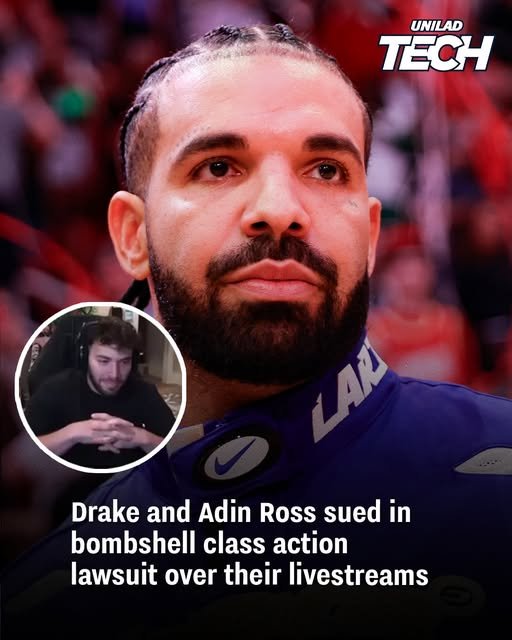
Superstar Drake and controversial streamer Adin Ross — two of the biggest names associated with the Stake-backed streaming site Kick — are being sued in a class-action lawsuit that accuses them of “deceptive, fraudulent and unfair” business practices.
The lawsuit, filed in Jackson County Circuit Court, also names Sweepsteaks Limited, the parent company of Stake.com, which operates the popular gambling platform heavily promoted on Kick streams.
For years, both Drake and Ross have publicly flaunted their high-stakes betting sessions — often wagering millions live on stream. But according to court documents, those glamorous livestreams may not have been what they seemed.
⚖️ The Allegations: Fraud, Deception, and Illegal Gambling
The class action, led by plaintiff Justin Killham, claims he lost significant sums of money gambling on Stake’s U.S.-based site, Stake.us, due to what he describes as the defendants’ “wrongful trade practices.”
According to filings obtained by CasinoBeats, Stake and its promoters allegedly violated Missouri’s gaming and consumer-protection laws through:
- Creating a pseudo-casino model using “Stake Cash” tokens redeemable for real-money prizes at a 1:1 ratio.
- Using influencers such as Adin Ross and Drake to drive American traffic to Stake.com and Stake.us.
- Running those promotions under false pretenses, implying the stars were gambling with their own funds when, in fact, they were allegedly using house money provided by Stake.
Essentially, the lawsuit claims Ross and Drake misled audiences by portraying themselves as independent players risking personal fortunes — while actually participating in staged gambling funded by the company paying them.
“The defendants engaged in unlawful, deceptive, and fraudulent conduct that violated state laws and exploited vulnerable consumers,” the complaint alleges.
🧨 Kick’s Parent Company in Hot Water — Again
This isn’t the first time Stake or its affiliates have faced scrutiny.
Stake’s offshore model, registered in Curaçao, allows it to operate outside U.S. gambling regulations — but its Kick streaming platform (a Twitch rival) has faced growing criticism for hosting gambling content and allegedly enabling under-age viewership.
Just a few months ago, the company was under legal pressure following the death of Raphaël Graven, sparking debates about corporate responsibility and gambling addiction.
Now, this new case could open a much bigger legal front — one that doesn’t just threaten Stake’s image, but also questions the legitimacy of influencer-driven gambling promotion across the entire streaming industry.
💰 Millions on the Line for Drake and Adin Ross
Both celebrities have long flaunted their partnership with Stake.
- Drake, who has publicly called himself a “Stake ambassador,” frequently hosts “live betting nights,” streaming massive roulette wins worth hundreds of thousands of dollars.
- Adin Ross, known for his Kick exclusivity deal, often features gambling segments on his streams that pull hundreds of thousands of viewers.
Court filings claim the two were paid millions each year by Stake to “engage in promotional livestreams that simulate real gambling experiences.”
But the core of the case argues that viewers were deceived — believing the risks and rewards were real, when in fact, no personal money was ever lost by these influencers.
If proven, the allegations could qualify as consumer fraud, opening the door for restitution of gambling losses and potentially massive penalties.
🔍 What the Plaintiffs Are Seeking
The class action is requesting:
- Refunds for gambling losses incurred through Stake-affiliated sites.
- Injunctions to prevent further “deceptive promotional activity.”
- Reimbursement of legal fees and additional damages “as the court deems just.”
If the plaintiffs win, the ruling could reshape how online gambling brands work with influencers — possibly forcing greater transparency about sponsorships and funding sources.
🌍 Why This Lawsuit Matters Beyond Kick
While this lawsuit centers on Stake, its implications ripple far beyond one company.
Over the past few years, online gambling has become deeply entwined with entertainment culture. Streamers pull massive audiences by turning high-stakes casino games into viral spectacles — blurring the line between gaming and gambling.
Kick’s model, powered by influencer charisma and massive cash giveaways, has made it a Twitch competitor practically overnight. But with that growth comes questions about ethics, regulation, and addiction.
Legal experts say this lawsuit could set the tone for future cases involving sponsored betting streams, especially if courts rule that using house money without disclosure constitutes fraudulent advertising.
“If a streamer pretends to risk their own money while actually being paid by the casino, that’s deceptive marketing,” says one consumer-law specialist. “The FTC could step in next.”
🎤 Drake, Adin Ross, and the Culture of Excess
Drake’s involvement brings mainstream attention far beyond the streaming world. Known for his global fame and luxury-laden lifestyle, the rapper’s public endorsement of Stake has long raised eyebrows — especially given his influence on younger fans.
For Adin Ross, the lawsuit adds to an already controversial record. From provocative on-air moments to platform bans, Ross has built a persona that thrives on pushing boundaries — but this time, the consequences could be far more serious than online backlash.
Both have yet to issue public statements addressing the class-action filing.
⚖️ What Happens Next
Legal analysts predict the case could take months — or even years — to resolve, given the international scope of Stake’s operations and the complexity of class-action certification.
If the plaintiffs can prove deception or illegal promotion, Kick’s entire business model could face regulatory overhaul. It may also encourage other states to file similar suits, especially where gambling laws are strict.
In the meantime, the case serves as a wake-up call to streamers and influencers who promote casinos or betting platforms: transparency matters — and what seems like entertainment may, in legal terms, be consumer fraud.
🧩 The Bigger Picture
This lawsuit marks a turning point in digital entertainment, highlighting how celebrity influence, social media, and online gambling have merged into a powerful yet risky combination.
As audiences grow younger and regulations lag behind, one thing is clear: the lines between entertainment and exploitation are getting blurrier every day.
Whether this case ends in settlement or landmark ruling, its impact will echo through the worlds of streaming, music, and online gaming for years to come.
