
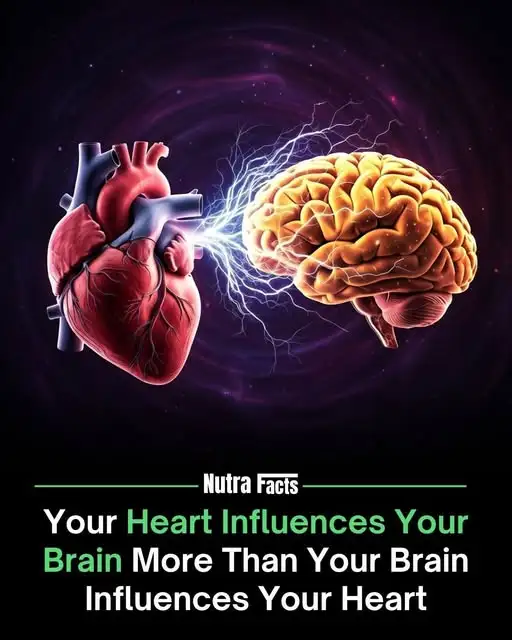
The Heart-Brain Connection: How Your Heart Impacts Your Mind and Emotions
We’ve all heard that the heart is the “core” of our emotions, but what if it’s more than just a poetic idea? Recent research has shown that the heart is far more than a simple pump. It’s a highly intelligent organ with its own network of neurons—over 40,000 to be exact—that actively communicate with the brain. This fascinating connection, known as the heart-brain axis, reveals how deeply the health of our heart can influence our cognitive function, emotional regulation, and decision-making.
This groundbreaking discovery in neurocardiology is changing the way we understand our bodies. We now know that the heart doesn’t just react to our emotions—it actively shapes them. The signals it sends to the brain influence mood, stress responses, and even our ability to focus and make decisions. This two-way communication between the heart and brain opens up a whole new understanding of our overall well-being, showing that taking care of our heart isn’t just good for our body—it’s essential for our mental health, too.
The Heart is a Smart Organ: Understanding the Heart-Brain Axis
For a long time, scientists viewed the heart as nothing more than a mechanical pump that circulated blood. But the discovery of the heart-brain axis has completely changed that perspective. This communication system between the heart and brain is a dynamic process, where both organs send signals to each other, influencing everything from emotional responses to cognitive function.
In fact, the heart contains its own complex nervous system, often referred to as the “heart brain.” This network of neurons can process information and send electrical signals to the brain, impacting everything from how we think and feel to how we respond to stress. These signals can directly affect brain activity, influencing mood regulation, decision-making, and our overall sense of emotional stability.
The Impact of Heart Signals on Brain Activity
Studies have shown that the electrical signals sent from the heart can directly impact brain activity. For example, when the heart is beating in a coherent, balanced rhythm—often achieved through practices like deep breathing or meditation—the brain operates more efficiently. This leads to improved focus, clarity, and emotional regulation.
Conversely, when the heart is out of sync, such as during periods of high stress or anxiety, the brain can become overstimulated, leading to impaired cognitive function, poor decision-making, and increased emotional volatility. This highlights the profound effect that heart health can have on our mental and emotional well-being.
Emotions, Stress, and the Heart: A Symbiotic Relationship
One of the most fascinating aspects of the heart-brain connection is how the heart influences emotional responses. Think about how you feel when you’re stressed or anxious: your heart races, your breathing becomes shallow, and you may feel overwhelmed or panicked. These physical reactions are not just the body’s way of reacting—they’re a direct reflection of the signals being sent from your heart to your brain.
When we experience strong emotions, such as fear, excitement, or sadness, the heart plays a central role in how we process these feelings. The heart’s rhythmic patterns influence the brain’s emotional processing centers, which is why taking care of your heart can lead to better emotional balance and stress management. Practices like mindfulness, deep breathing, and meditation can help regulate the heart’s rhythm, which in turn calms the brain and restores emotional stability.
The Power of Heart Coherence: Practices to Improve Mental and Cardiovascular Health
Heart coherence refers to a harmonious state where the heart’s rhythm is balanced and smooth. When the heart is in a state of coherence, it sends positive, synchronized signals to the brain, enhancing mental clarity, emotional resilience, and overall well-being. Achieving heart coherence is not only beneficial for your heart—it has profound effects on your brain and emotional health as well.
Deep Breathing: A Simple Way to Cultivate Heart Coherence
One of the most effective ways to achieve heart coherence is through deep breathing exercises. Deep breathing helps activate the parasympathetic nervous system, which calms the body and synchronizes the heart’s rhythm with the brain’s activity. By practicing deep breathing regularly, you can reduce stress, improve emotional regulation, and enhance cognitive function.
Meditation and Mindfulness: Connecting Mind, Body, and Heart
Meditation and mindfulness are other powerful practices for improving heart coherence. These practices help quiet the mind, focus the breath, and tune into the body’s natural rhythms. When you engage in meditation, you not only reduce stress but also promote a deeper connection between the heart and brain, which can enhance emotional resilience and mental clarity.
Why Supporting Heart Health is Essential for Mental Well-Being
As we’ve seen, the connection between the heart and brain is far more profound than simply physical. Supporting heart health goes hand in hand with supporting mental health. A healthy heart leads to a healthier brain, improved emotional regulation, and better cognitive function. This is why maintaining a healthy heart is not just about exercise and nutrition—it’s also about stress management, emotional care, and mindfulness.
Incorporating heart-healthy practices into your daily routine can boost both your cardiovascular health and mental clarity. Whether it’s regular physical activity, healthy eating, mindfulness, or deep breathing, taking care of your heart can lead to a more balanced, fulfilling life. After all, the heart is not just the center of life—it’s the center of our emotional and mental well-being as well.
Conclusion: Nurturing the Heart-Brain Connection
The heart-brain connection is a powerful reminder that our mental and physical health are deeply intertwined. By taking care of your heart, you’re not only promoting better cardiovascular health but also enhancing your brain’s function, emotional resilience, and overall well-being. Whether it’s through deep breathing, meditation, or simply taking time to manage stress, supporting your heart is one of the most important steps you can take toward a healthier, happier life.
So, next time you focus on your health, remember: it’s not just your mind that needs attention—it’s your heart too. By nurturing both, you can unlock a deeper sense of balance, clarity, and well-being. Listen to your heart, and let it guide you toward a healthier, more fulfilled life.
