
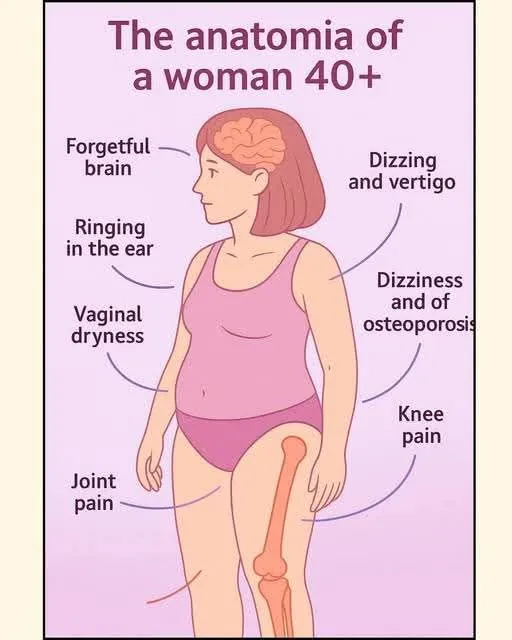
The Anatomy of a Woman 40+: Understanding Hormonal Changes and Embracing Vitality
One day you wake up and realize your body feels… different. You forget where you left your keys, your joints feel stiffer, and there’s this mysterious buzzing energy — sometimes low, sometimes high — that you can’t quite name. Welcome to your 40s and beyond, a stage where hormonal changes begin to quietly rewrite your biology.
But here’s the truth: these shifts are not a sign of decline — they’re signals of transition. Your body isn’t betraying you; it’s guiding you toward a new phase of strength, wisdom, and balance. The anatomy of a woman over 40 is a living map of transformation — and when understood, it becomes a powerful tool for renewal.
Why Hormones Matter More After 40
In your 40s, your body’s hormonal symphony starts playing a new rhythm. Levels of estrogen and progesterone — the hormones that regulate mood, energy, and menstrual cycles — begin to fluctuate. You might notice changes in sleep patterns, mood swings, or sudden waves of heat that weren’t there before.
This transition, known as perimenopause, can last several years before menopause officially begins. During this time, many women experience what feels like chaos — but it’s actually the body recalibrating itself. It’s your biology saying, “Let’s create a new balance.”
Common Hormonal Symptoms After 40
- Forgetfulness and mental fog: Fluctuating estrogen affects neurotransmitters linked to memory and focus.
- Buzzing or anxiety: Hormone shifts can increase sensitivity to stress, affecting mood and calmness.
- Joint pain and stiffness: Lower estrogen may reduce collagen and impact joint lubrication.
- Weight changes: Slower metabolism and insulin resistance can make it easier to gain and harder to lose.
- Sleep disruptions: Night sweats and hormonal dips interfere with restful sleep.
These symptoms can feel frustrating, but they are not permanent. They’re signals — ways your body communicates that it needs care, nourishment, and attention.
Nutrition: Fueling the 40+ Body
Your nutritional needs shift dramatically during this stage. Food is no longer just fuel — it becomes medicine. The right nutrients can help balance hormones, reduce inflammation, and support mental clarity.
Focus on:
- Protein and healthy fats: Support muscle, hormone production, and brain health. Think eggs, salmon, avocado, nuts, and seeds.
- Fiber-rich foods: Aid digestion and help regulate blood sugar. Include vegetables, fruits, and whole grains.
- Phytoestrogens: Found in soy, flaxseeds, and chickpeas — these natural compounds can help balance hormones gently.
- Hydration: Hormonal shifts can dehydrate tissues and skin. Water, herbal teas, and electrolyte balance are key.
Remember: consistency beats perfection. Small, daily changes matter more than extreme diets or quick fixes.
Movement: Redefining Strength and Energy
Exercise after 40 isn’t about punishment or burning calories — it’s about movement that nourishes your joints, boosts mood, and keeps hormones in harmony. As estrogen levels dip, the body benefits tremendously from a mix of strength training, flexibility, and mindful movement.
Best Types of Exercise for Women 40+
- Strength training: Builds muscle, supports bone health, and boosts metabolism.
- Yoga or Pilates: Enhances balance, flexibility, and inner calm.
- Walking or light cardio: Supports heart health without draining energy reserves.
- Stretching and mobility: Keeps joints flexible and reduces stiffness.
Movement helps the body release endorphins — nature’s own antidepressants — while also reducing stress hormones like cortisol. And that matters, because chronic stress is one of the biggest disruptors of hormonal harmony.
Emotional Balance: The Heart of Hormonal Health
Hormonal change doesn’t just happen in the body — it happens in the soul. Many women report feeling more introspective in their 40s, questioning priorities and rediscovering themselves. This is your chance to align life with your true rhythm.
Practices like mindfulness, journaling, therapy, or even simple quiet time can help anchor emotional balance. When stress hormones calm down, the body’s entire endocrine system functions more smoothly.
Remember: you are not “losing” your old self — you are evolving into a wiser, more centered version of you. This emotional recalibration is just as important as any dietary or physical change.
Reframing the 40+ Chapter
There’s a cultural myth that aging, especially for women, means fading. But that’s far from the truth. Women in their 40s, 50s, and beyond are stepping into their most empowered years — often more confident, self-aware, and resilient than ever before.
Understanding your body is the first step toward embracing this phase with grace. The anatomy of a woman over 40 tells a story — not of loss, but of renewal. Hormonal changes aren’t enemies; they’re messengers guiding you toward balance and vitality.
How to Support Your Hormonal Journey
- Listen to your body: Fatigue, irritability, or cravings are clues — not flaws.
- Get your hormones checked: A simple blood test can help identify imbalances and guide personalized support.
- Build a support system: Surround yourself with women and professionals who understand this stage.
- Rest deeply: Recovery isn’t laziness — it’s how your hormones reset.
Conclusion: Living Lightly, Living Fully
The 40s and beyond are not an ending — they’re a powerful transition. Your body is adapting, evolving, and inviting you to care for it in new ways. Through nutrition, movement, and emotional balance, you can navigate this stage with lightness and vitality.
So when your body whispers — or shouts — its signals, listen with compassion. It’s not a sign of weakness; it’s a call to wisdom. This is your time to thrive, not survive.
Because the anatomy of a woman 40+ isn’t just changing — it’s awakening.
#HormonalHealth #WomenOver40 #HealthyAging #MindBodyBalance #WellnessJourney
