
Maintaining healthy blood sugar levels is one of the most important things you can do for your overall well-being. Whether you’re trying to manage type 2 diabetes, avoid energy crashes, or simply live a balanced lifestyle, nature has provided a powerful toolkit: herbs.
For centuries, traditional medicine systems such as Ayurveda and Chinese medicine have used natural plants and spices to regulate glucose, improve insulin sensitivity, and protect the pancreas. Today, modern research is beginning to confirm what our ancestors already knew — herbal remedies can truly help support blood sugar balance when used wisely.
Below are 12 proven herbs that may help maintain normal blood sugar levels and promote better metabolic health.
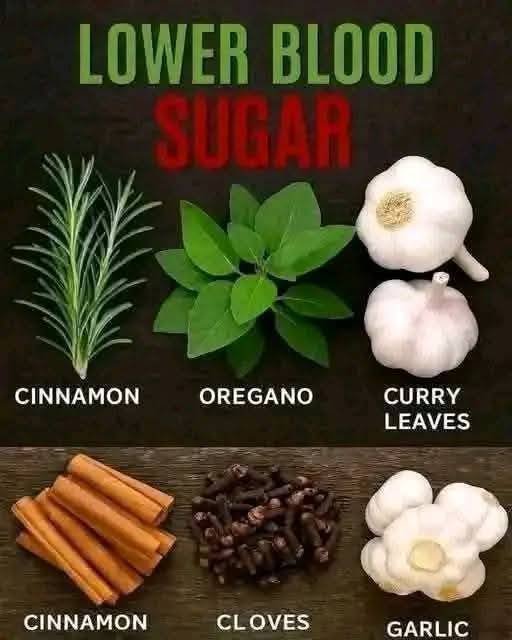
🪷 1. Cinnamon – Nature’s Sweet Regulator
Cinnamon is one of the most studied herbs for blood sugar control. It mimics the action of insulin and helps your cells absorb glucose more efficiently.
Studies show that daily consumption of ½ to 1 teaspoon of Ceylon cinnamon can help lower fasting blood sugar and improve insulin sensitivity.
👉 Add it to oatmeal, tea, or smoothies — but avoid over-consuming cassia cinnamon, which contains coumarin that may affect the liver in large amounts.
🌾 2. Fenugreek – The Fiber Powerhouse
Fenugreek seeds are packed with soluble fiber, which slows carbohydrate digestion and sugar absorption. This prevents sharp spikes after meals.
Research shows that 10 grams of soaked fenugreek seeds daily may help lower fasting glucose and HbA1c levels.
You can soak the seeds overnight and drink the water in the morning or use fenugreek powder in food.
🌼 3. Turmeric – Golden Root of Healing
The active compound in turmeric, curcumin, is a natural anti-inflammatory that supports the pancreas and improves insulin sensitivity.
It also protects the body from oxidative stress, one of the main triggers of metabolic disorders.
A pinch of turmeric in warm milk, tea, or daily meals is enough to experience its benefits. Pairing it with black pepper increases absorption.
🍈 4. Bitter Melon – The Natural Insulin
Also called karela, bitter melon has compounds that act like insulin and help glucose enter cells. It may even help regenerate pancreatic cells.
Drinking fresh bitter-melon juice on an empty stomach or taking it in capsule form can significantly lower blood sugar.
Though it tastes sharp, its effect on blood sugar balance is remarkable.
🍃 5. Holy Basil (Tulsi) – The Stress Healer
Tulsi, revered as a sacred plant in India, helps the body adapt to stress — a major factor behind high blood sugar.
It stabilizes cortisol levels and enhances insulin function, reducing the roller-coaster effect of stress-induced sugar spikes.
Enjoy it as a soothing tulsi tea every evening for calm and metabolic balance.
🌿 6. Gymnema Sylvestre – The Sugar Destroyer
Known in Sanskrit as “Gurmar,” meaning sugar destroyer, Gymnema helps reduce sugar absorption in the intestines and may regenerate insulin-producing cells.
Studies show it can reduce sugar cravings and stabilize blood glucose when taken regularly.
It’s often found in capsule or powder form — a favorite in Ayurvedic therapy for diabetes.
🌾 7. Ginseng – The Energy Balancer
Panax ginseng and American ginseng both help regulate blood sugar and improve insulin sensitivity.
They also boost energy and fight fatigue, common issues for people struggling with glucose imbalances.
Ginseng tea or standardized supplements can offer gentle, steady support for your metabolism.
🧄 8. Garlic – The Heart and Sugar Protector
Garlic is more than a kitchen staple. Its sulfur compounds enhance insulin sensitivity and reduce blood cholesterol — a double win for people managing blood sugar.
Regular garlic intake can help maintain stable glucose levels and support heart health at the same time.
Crush a clove of raw garlic and mix it with honey or add it to your meals daily.
🌸 9. Aloe Vera – The Gentle Detoxifier
The clear gel inside aloe-vera leaves helps improve glucose metabolism and detoxify the liver.
Some studies show aloe vera supplements can lower fasting blood sugar and support digestive health.
Drink 1 tablespoon of pure aloe gel with water before breakfast for mild but consistent benefits.
🌱 10. Berberine – Nature’s Metabolic Warrior
Berberine is a powerful compound found in plants like barberry, goldenseal, and Oregon grape.
It’s often compared to metformin, a common diabetes drug, because it reduces glucose production in the liver and improves insulin sensitivity.
Berberine should be used carefully and ideally under professional supervision, but it’s one of the most effective natural options for regulating metabolism.
🌿 11. Neem – The Bitter Detox Tree
In Ayurvedic medicine, neem leaves are used for cleansing the blood and regulating sugar levels.
Its bitter compounds support pancreatic health and reduce glucose absorption in the intestine.
Chewing fresh neem leaves (if available) or taking neem powder capsules can offer long-term balance.
🌾 12. Curry Leaves – Flavor with Function
Beyond their aroma, curry leaves contain alkaloids that can help lower blood sugar and improve cholesterol.
They work synergistically with insulin and protect the liver from oxidative stress.
Add fresh curry leaves to soups, rice, or stews to enhance both flavor and health.
⚖️ How to Use These Herbs Safely
While natural, herbs are still active substances. Follow these tips:
- ✅ Start small — introduce one herb at a time.
- ✅ Choose organic and pure sources.
- ✅ Consult a doctor if you take diabetes medication; combining herbs with drugs can sometimes cause low sugar (hypoglycemia).
- ✅ Adopt a balanced diet rich in vegetables, lean proteins, and whole grains for best results.
Remember, herbs work best as long-term support, not quick fixes.
💚 Lifestyle Matters Too
No herb can replace the basics: regular exercise, good sleep, hydration, and a mindful approach to eating.
Combine these habits with natural support, and you can keep your blood sugar — and your energy — steady for years to come.
🌺 Final Thoughts
Nature is full of quiet healers. From cinnamon’s warmth to turmeric’s glow, these herbs have served humanity for centuries.
Modern science continues to confirm what ancient healers already knew: our kitchens and gardens hold the power to heal.
So the next time you reach for your spice jar, remember — you’re not just adding flavor; you’re adding balance, energy, and wellness.
✨ Small daily habits can lead to big health transformations — one herb at a time
