
Autophagy: How Your Body Cleans and Heals Itself from the Inside Out
Imagine if your body had its own built-in cleaning crew — one that worked 24/7 to sweep away old, damaged cells and replace them with fresh, healthy ones. The amazing thing? It already does. The process is called autophagy, and it’s one of the most powerful mechanisms your body uses to repair itself, fight disease, and even slow aging.
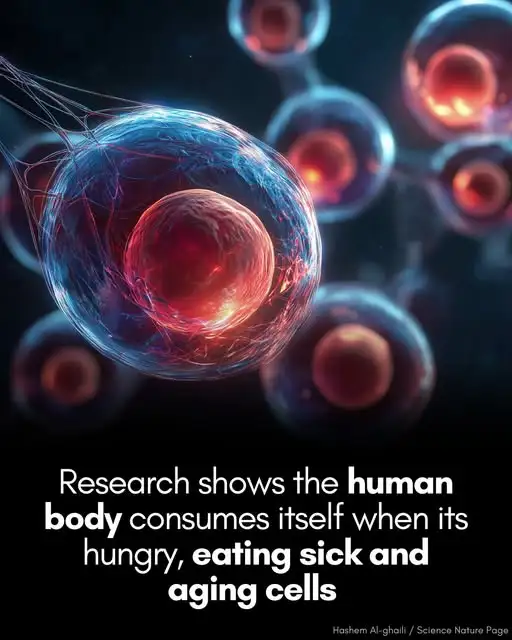
The word “autophagy” comes from Greek, meaning “self-eating.” But don’t let that scare you. It’s not harmful — it’s healing. It’s how your body recycles and renews itself from within. When activated, autophagy helps your cells clean up the clutter, remove toxins, and function more efficiently. Think of it as your body’s way of hitting the reset button.
What Is Autophagy and Why It Matters
Autophagy is the body’s natural process of breaking down and reusing old or damaged cellular components. It’s like taking out the trash and turning it into something useful again. This process keeps your cells healthy, prevents waste buildup, and allows your body to operate at its best.
When cells go too long without autophagy, waste starts to pile up. Damaged proteins and malfunctioning mitochondria (the energy factories of your cells) can cause inflammation, increase stress, and even contribute to chronic diseases. That’s why researchers are now studying how disrupted autophagy may be connected to conditions like Parkinson’s, Alzheimer’s, cancer, diabetes, and heart disease.
In short, healthy autophagy equals healthy aging. It’s one of the reasons why many scientists believe it could hold the key to longer lifespan and better cellular health.
How Does Autophagy Work?
Every cell in your body has tiny “recycling stations.” When the cell detects damage or stress — such as lack of nutrients or energy — it activates autophagy. The cell begins breaking down its own worn-out parts, digesting them, and reusing the building blocks to create new, healthy components.
This process isn’t random. It’s the body’s way of adapting to stress. When food is scarce (like during fasting), your body switches from growth mode to repair mode. Instead of producing new cells, it focuses on cleaning up the old ones. The result? Better energy efficiency, reduced inflammation, and improved cellular function.
The Three Stages of Autophagy
- Initiation: The cell detects stress, nutrient deprivation, or damage.
- Degradation: Damaged cell parts are broken down inside special “cleanup” structures called lysosomes.
- Recycling: Useful components like amino acids and fatty acids are reused to create new, healthy materials.
This elegant cycle helps your body renew itself — cell by cell, day by day.
What Triggers Autophagy?
While your body naturally uses autophagy to maintain balance, certain conditions can enhance or suppress it. Scientists have identified a few powerful natural triggers of autophagy that don’t require any pills or supplements:
1. Fasting and Calorie Restriction
One of the most effective ways to activate autophagy is through intermittent fasting or short-term calorie restriction. When your body runs low on nutrients, it shifts from growth to survival mode — and autophagy kicks in. Studies in animals show that fasting can boost cellular cleanup and even extend lifespan.
You don’t have to starve yourself. Even a 14–16 hour fasting window (for example, skipping breakfast and eating only between noon and 8 p.m.) may help stimulate autophagy naturally.
2. Exercise
Physical activity stresses your cells — in a good way. When you exercise, your body increases energy demand and temporarily deprives cells of oxygen and nutrients. This controlled stress triggers autophagy to help muscles recover, remove damaged proteins, and grow stronger.
Regular workouts — especially high-intensity or endurance training — have been shown to boost autophagy in both muscles and the heart.
3. Quality Sleep
Autophagy follows your body’s circadian rhythm. That means it happens more efficiently when you’re getting consistent, quality sleep. During deep sleep, your brain also uses a similar process to flush out toxins — a kind of nightly detox that keeps your mind clear and focused.
4. Nutrient Balance
Certain nutrients can also influence autophagy. Diets rich in polyphenols (found in green tea, turmeric, berries, and olive oil) may help support the process. On the other hand, overeating or consuming too much sugar and processed food can suppress it.
Autophagy and Aging: The Link Between Clean Cells and Long Life
As we age, autophagy tends to slow down. That’s one reason older cells accumulate more waste and become less efficient. This slowdown is thought to contribute to age-related diseases and fatigue.
By keeping autophagy active through healthy habits — like fasting, exercise, and balanced nutrition — you can help your body maintain its natural repair system longer. Some researchers even call autophagy the “fountain of youth at the cellular level.”
But it’s important to note: while the science is promising, it’s not yet a guaranteed path to longer life. Human studies are still limited, and results vary depending on genetics, age, and lifestyle.
Can You “Hack” Autophagy Safely?
With all the buzz around fasting and detox diets, it’s easy to think more is better. But when it comes to autophagy, balance is key. Too much fasting or extreme calorie restriction can stress your body and disrupt hormones. That’s why health experts advise taking a slow, sustainable approach.
Start small. Experiment with shorter fasting windows, gentle exercise, and cleaner eating. Always listen to your body — and consult a healthcare professional before making any major changes, especially if you have health conditions.
Signs You Might Be Supporting Autophagy Naturally
- More consistent energy throughout the day
- Better digestion and reduced bloating
- Improved mental clarity
- Healthier skin and fewer breakouts
These may be subtle signs that your body is working efficiently — renewing itself from the inside out.
The Future of Autophagy Research
Scientists are still uncovering all the ways autophagy impacts our health. Early research shows it may play a role in preventing or treating diseases like cancer, heart disease, diabetes, and neurodegenerative disorders. One day, doctors may be able to harness this process to develop targeted therapies that help the body heal itself.
Until then, supporting your body’s natural autophagy through healthy habits remains one of the simplest and most effective things you can do for long-term wellness.
Final Thoughts: Clean Cells, Clear Mind, Strong Body
Your body already knows how to heal itself — you just have to give it the right conditions. Autophagy is your inner renewal system, quietly working behind the scenes to keep you healthy, energized, and youthful.
By embracing balance — eating mindfully, moving your body, and getting quality rest — you can help your cells do what they do best: repair, rebuild, and thrive.
Start small today. Skip that midnight snack, take a long walk, or get an extra hour of sleep. Your cells will thank you tomorrow.
