
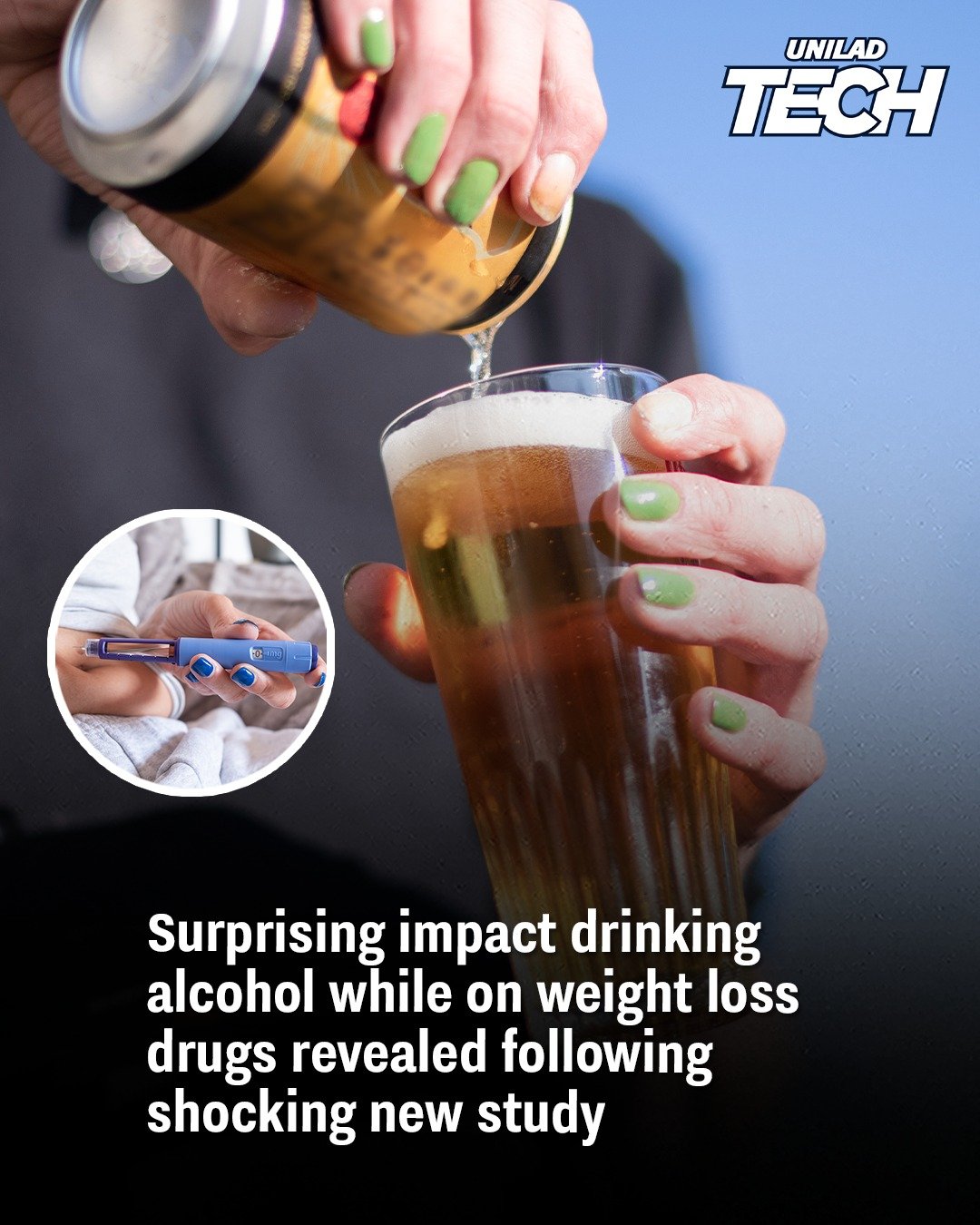
Real impact of drinking alcohol while on weight-loss drugs revealed in new study
Key takeaways
- GLP-1 meds can blunt and delay alcohol’s early effects. A small, controlled study found people on GLP-1s had a slower rise in breath alcohol and lower overall levels soon after drinking the same amount as non-users. Nature+1
- Why? These drugs slow gastric emptying—so alcohol gets into your bloodstream more gradually. The “buzz” can hit later and feel different. Nature
- They may also reduce cravings. Separate clinical and observational research links GLP-1s with lower alcohol craving and intake, but larger trials are still needed. PubMed+2Reuters+2
- Practical caution: The delayed buzz can tempt you to drink more—don’t. Your impairment can climb after a lag.
What the new study actually did
Researchers at Virginia Tech’s Fralin Biomedical Research Institute ran a preliminary study published in Scientific Reports to see how GLP-1 drugs change the physiological and perceptual response to alcohol. They recruited 20 adults with obesity: half had been on a GLP-1 receptor agonist (like semaglutide or tirzepatide) for ≥4 weeks; half were not taking GLP-1s. Everyone fasted, ate the same snack, then drank a standardized alcoholic beverage designed to reach about 0.08 on a breathalyzer. Over four hours, the team tracked breath alcohol, craving, appetite, nausea, blood sugar, and how drunk participants felt. Nature+1
The headline finding
Those on GLP-1s showed a slower rise in breath alcohol during the first 10–20 minutes and lower levels overall early on. Subjectively, they reported feeling less drunk in the early phase—consistent with a delayed absorption profile. Nature
These results match what we know pharmacologically: GLP-1 medications slow stomach emptying, so both food and alcohol leave the stomach more slowly; alcohol reaches the small intestine (where absorption is fastest) later, flattening and delaying the initial spike. Nature
TL;DR: If you’re on a GLP-1 and you drink, you might not feel it right away—but impairment can still rise later. Pacing matters.
But there’s more: GLP-1s may reduce alcohol craving, too
Beyond the absorption effect, several studies suggest GLP-1s can reduce desire to drink and actual intake:
- A randomized clinical trial of adults with alcohol use disorder found low-dose semaglutide reduced alcohol craving and drinks consumed during a lab self-administration test versus placebo. PubMed+1
- Reviews pooling human and preclinical data report lower alcohol intake and fewer alcohol-related events with GLP-1 therapy (vs. other meds or no treatment). PubMed+1
These are encouraging signals—but researchers emphasize the field is early. Larger, longer trials are underway to pin down who benefits, optimal dosing, and long-term safety when the clinical target is alcohol use disorder rather than diabetes/obesity. PubMed
What this means for people on Ozempic/Wegovy or Mounjaro
1) Expect a different timeline.
You may feel less buzzed at first, then more intoxicated later. That lag can tempt “one more drink”—which raises risk. Build in extra time before driving and do not rely on how you feel to judge impairment. Nature
2) Pacing > chugging.
Shots or rapid drinking overwhelm the stomach/duodenum dynamics, making timing even less predictable. Nurse drinks slowly and alternate with water.
3) Eat a real meal.
Food already slows alcohol absorption; paired with GLP-1–slowed gastric emptying, the onset could be even more delayed. Plan accordingly.
4) Watch for lower blood sugar.
Alcohol can lower glucose—pair that with GLP-1 effects and a small snack is smart, especially for people with diabetes (per your clinician’s advice).
5) You might not want to drink as much.
If alcohol seems less appealing after starting a GLP-1, that’s been observed clinically. For some, it’s a helpful side benefit; for others, it may feel unusual. Live Science
Safety notes (read this)
- Do not escalate intake because you “don’t feel it yet.” The BAC can keep rising after the early lull. Nature
- If your care team told you to avoid alcohol, follow that advice—GLP-1s don’t make drinking “safe.”
- Side effects (nausea, vomiting, reflux) can worsen with alcohol.
- If you have a history of pancreatitis, gallbladder disease, or are on other meds, ask your clinician about risks.
- This article is informational, not medical advice.
Where the science stands (and what’s next)
- This new human study is small (n=20) but carefully controlled; it offers mechanistic insight (absorption/timing) that aligns with GLP-1 pharmacology. More participants and diverse groups will strengthen conclusions. Nature
- Early clinical trials show reduced craving/consumption with semaglutide, but outcomes are mixed and not yet practice-changing for alcohol use disorder. Larger, longer RCTs are needed. PubMed+1
If you’re on a GLP-1 (for diabetes or weight), talk to your clinician about personalized guidance on alcohol, especially around holidays or events.
Quick FAQ
Does Ozempic “block” alcohol?
No. It may slow and blunt early absorption, changing timing and perceived intoxication—not eliminate it. You can still be impaired. Nature
Will I drink less on these meds?
Some people report less interest in alcohol, and trials show reduced craving/consumption on average, but responses vary widely. PubMed+1
Is this a new alcohol-use-disorder treatment?
Not yet. Evidence is promising but preliminary; standard AUD treatments (e.g., naltrexone, acamprosate) remain first-line. Live Science
Sources & further reading
- Scientific Reports pilot study on GLP-1s and alcohol absorption (Virginia Tech Fralin Biomedical): methods & findings. Nature
- Virginia Tech news release summary in plain language. news.vt.edu
- JAMA Psychiatry trial: low-dose semaglutide reduced craving and some drinking outcomes in AUD. PubMed+1
- Reviews on GLP-1s and alcohol behavior/health events. PubMed+1
