
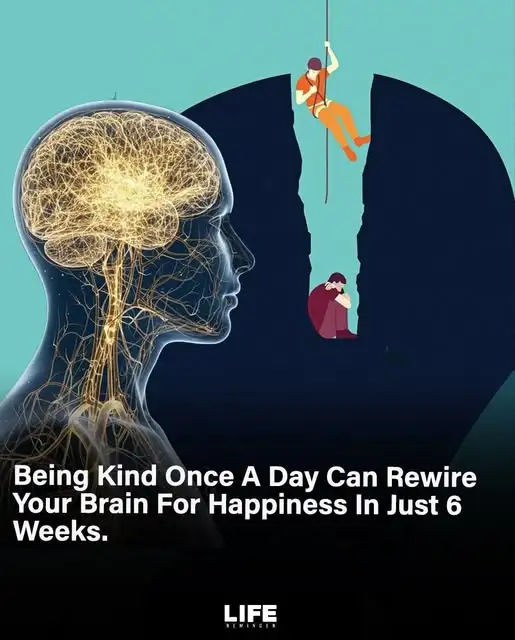
The Neuroscience of Kindness: How Doing Good Literally Changes Your Brain
What if happiness wasn’t something you had to chase — but something you could train your brain to feel every day?
Science now shows that simple acts of kindness can actually rewire your brain. When you help someone, smile at a stranger, or even think kind thoughts, your brain releases powerful chemicals — dopamine and serotonin — that make you feel happier, calmer, and more connected.
Kindness doesn’t just make the world better. It makes you better — biologically, emotionally, and mentally.
The Science Behind Kindness and Happiness
According to neuroscience research, kindness activates the brain’s “reward center,” the same area triggered by feelings of joy or love. When you do something compassionate, your brain releases dopamine (the feel-good neurotransmitter) and serotonin (the chemical that stabilizes mood and boosts wellbeing).
This natural chemical cocktail strengthens neural circuits related to joy, empathy, and emotional regulation. The more you practice kindness, the more those pathways grow — like strengthening a muscle with daily exercise.
Kindness Is Literally Contagious
Studies show that witnessing an act of kindness activates similar reward centers in the observer’s brain. That means even seeing someone do something good can boost your mood and inspire you to pass it on.
This ripple effect is what psychologists call the “helper’s high.” It’s the brain’s way of rewarding generosity — encouraging humans to connect, cooperate, and care for one another.
How Kindness Changes Your Brain Chemistry
When you perform a kind act, whether big or small, your body produces three key chemicals:
- Dopamine — the “feel-good” hormone that creates a sense of reward and satisfaction.
- Serotonin — which helps regulate mood, anxiety, and happiness.
- Oxytocin — known as the “love hormone,” it strengthens social bonds and feelings of trust.
Together, these chemicals help reduce stress, lower blood pressure, and even boost immune function. In other words, being kind isn’t just nice — it’s neurochemically smart.
Neuroscience Confirms: Happiness Is Practiced
We often think happiness is something that “happens” to us — a reward we get when life goes right. But neuroscience paints a different picture. Your mood is deeply influenced by your daily habits, thoughts, and interactions.
By choosing kindness — even when it’s hard — you’re literally teaching your brain to default to positivity. Over time, this rewiring makes it easier to feel calm, joyful, and connected to others.
Small Acts, Big Impact
You don’t need to donate thousands or change the world overnight. The brain responds powerfully to small, consistent gestures of care.
Here are some simple ways to trigger your brain’s happiness chemistry daily:
- Send an encouraging message to a friend.
- Hold the door open for someone with a smile.
- Give a sincere compliment — no strings attached.
- Practice gratitude by writing down one thing you appreciate each morning.
- Volunteer your time, even if it’s just for an hour.
These moments might seem minor, but your brain doesn’t measure kindness by size — only by intention.
The Mental Health Benefits of Kindness
Research from leading universities shows that people who regularly engage in kind behaviors experience:
- Lower levels of stress and anxiety
- Improved mood and self-esteem
- Stronger relationships and social support
- Better emotional resilience
That’s because kindness triggers the body’s natural relaxation response, reducing cortisol (the stress hormone) and promoting mental clarity. It’s a scientifically proven form of emotional self-care.
Kindness as a Daily Practice
Like meditation or exercise, kindness works best when practiced consistently. It’s not a one-time fix — it’s a daily decision.
Try setting a small goal: one act of kindness per day. Whether it’s for someone else or yourself, that moment of compassion keeps your brain in a positive rhythm.
Remember, kindness isn’t about being perfect or endlessly giving. It’s about choosing empathy when it’s easier to look away.
The Deeper Lesson: Your Brain Is Listening
Every thought you have sends a signal through your nervous system. When you think negatively or act harshly, your body responds with stress hormones. When you act with kindness and gratitude, your brain responds with healing chemicals.
So when you choose kindness, you’re not just helping others — you’re literally teaching your brain to feel better.
Happiness isn’t found. It’s practiced — one good deed at a time.
Conclusion: Be Kind, For Your Brain’s Sake
In a fast, noisy world, kindness can feel small — even invisible. But neuroscience tells a different story. Every kind word, smile, or helping hand sends ripples through your brain chemistry, rewiring it for joy and peace.
Be kind — not because the world deserves it, but because your brain does.
Disclaimer: This article is for informational purposes only and not a substitute for professional medical advice.
