
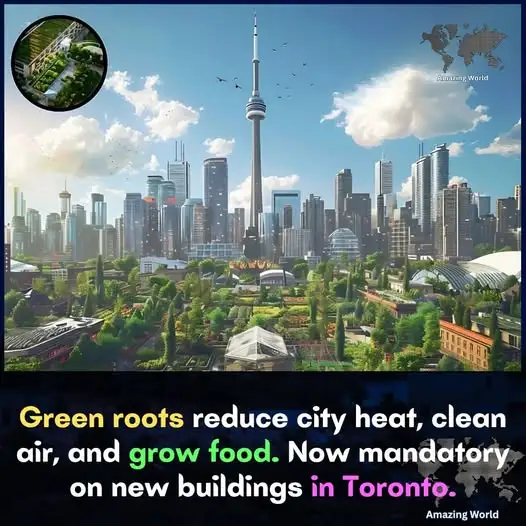
How Toronto’s Green Roofs Are Making the City Cooler, Healthier, and More Sustainable
Imagine stepping into a busy city like Toronto and looking up to see lush greenery atop buildings—fresh plants, flowers, and even vegetables growing right above your head. Sounds like a dream, right? Well, it’s becoming a reality. In fact, Toronto has made it a rule that all new buildings must have green roofs. This progressive move is a game-changer for the city, improving the environment, air quality, and even providing fresh food for residents.
Green roofs—roofs covered in plants, soil, and greenery—offer a multitude of benefits, and Toronto is leading the way by integrating them into its urban landscape. These roofs help cool down the city, clean the air, and make the environment more livable. Let’s dive into why green roofs are such an essential innovation and how they’re transforming Toronto into a more sustainable city for the future.
What Are Green Roofs and How Do They Work?
Green roofs are exactly what they sound like: roofs that are covered in plants and vegetation. Typically, they consist of a layer of soil, followed by a layer of plants that thrive in the urban environment. These plants help absorb heat, reduce energy consumption, and improve the overall air quality in the area.
At their core, green roofs are designed to mimic natural landscapes, helping to make cities feel more like places connected to nature, rather than just concrete jungles. In addition to their aesthetic appeal, these roofs also act as natural insulators, improving the energy efficiency of buildings and reducing the urban heat island effect—a phenomenon where cities become significantly hotter than surrounding rural areas due to the abundance of concrete and asphalt.
Cooling Down the City: Green Roofs as Nature’s Air Conditioner
Toronto, like many other large cities, faces the challenge of urban heat islands. With so many buildings and limited green space, the city often experiences higher temperatures than its rural counterparts. During the summer months, these elevated temperatures can make the city uncomfortable for residents, leading to higher energy consumption as air conditioners run constantly.
Green roofs help mitigate this problem by absorbing and retaining heat during the day. The plants on the roof act like natural sponges, drawing in sunlight and preventing the heat from radiating back into the environment. This cooling effect helps lower temperatures in the city, making outdoor spaces more comfortable and reducing the need for air conditioning in nearby buildings. As a result, green roofs are an essential part of making Toronto more climate-resilient and livable.
Improving Air Quality: A Breath of Fresh Air for Toronto
Air quality is a major concern in cities, where pollution from cars, factories, and other sources can negatively impact health. In Toronto, the addition of green roofs is helping to clean the air and improve the quality of life for residents. Plants are natural air purifiers; they take in carbon dioxide and release oxygen through the process of photosynthesis. This makes green roofs a simple but powerful solution to combat urban air pollution.
In addition to providing oxygen, plants on green roofs can also absorb pollutants like nitrogen dioxide and particulate matter, which contribute to respiratory issues and other health problems. By increasing the number of green roofs across the city, Toronto is making a direct impact on air quality, helping to ensure cleaner, healthier air for everyone who lives and works there.
Green Roofs and Urban Farming: Growing Fresh Food in the City
One of the most exciting aspects of Toronto’s green roofs is their potential for urban farming. With limited space for traditional gardens, green roofs offer an innovative way to grow food in the city. These rooftops can be transformed into urban farms, growing everything from vegetables and herbs to fruit trees and flowers.
Urban farming on green roofs not only provides fresh, locally grown food for residents but also encourages sustainable living. It reduces the carbon footprint associated with transporting food from rural farms to urban centers and helps connect city dwellers with where their food comes from. Imagine picking fresh tomatoes or herbs from a rooftop garden, just steps away from your home or office—this is the future of urban agriculture.
By growing food on green roofs, Toronto is promoting healthier eating habits and contributing to food security in the city. It also creates an opportunity for communities to come together around shared green spaces, where people can learn about farming and sustainability while enjoying the benefits of fresh, homegrown produce.
Building a Sustainable Future: Green Roofs as a Long-Term Investment
Green roofs are not just a short-term solution but a long-term investment in Toronto’s future. By integrating more green spaces into the urban environment, Toronto is setting itself up for a more sustainable future. These roofs not only improve energy efficiency and air quality but also help manage stormwater runoff. The soil and plants on green roofs act as a sponge, absorbing rainwater and reducing the burden on city drainage systems during heavy rainfall.
As Toronto continues to grow, green roofs will play a crucial role in adapting to climate change and improving the city’s overall sustainability. With benefits that include energy savings, better air quality, and the promotion of local food production, green roofs are a win-win for both the environment and the people who live in the city.
Conclusion: A Greener, Healthier Toronto for All
Toronto’s green roof initiative is a powerful example of how cities can become more sustainable, healthier, and more livable. By mandating that all new buildings include green roofs, the city is setting itself on a path to a greener future—one where nature and urban life can coexist harmoniously. These green spaces provide cooling effects, improve air quality, and even offer fresh food right in the heart of the city.
As we look to the future, Toronto’s green roofs stand as a reminder that small, thoughtful actions can lead to big changes. By embracing the power of nature, we can create cities that are not only more beautiful but also healthier and more sustainable for generations to come.
