
Why Handwriting Activates the Brain Like Nothing Else
When was the last time you picked up a pen and wrote something by hand — not just your signature or a quick grocery list, but a real note, thought, or idea?
In our digital age, typing feels faster, cleaner, and more efficient. But new brain-imaging research reveals something fascinating: handwriting lights up the brain in ways typing simply doesn’t.
According to recent studies, writing by hand activates deeper neural pathways related to memory, emotion, and creativity. Even a short handwritten note can strengthen long-term learning and spark new ideas — something your phone’s keyboard can’t fully replicate.
The Hidden Power of the Pen
Scientists have long known that the brain treats handwriting as more than just communication — it’s a physical, emotional, and cognitive process. But now, thanks to advanced imaging technology, researchers can actually see what happens inside the brain when we write by hand.
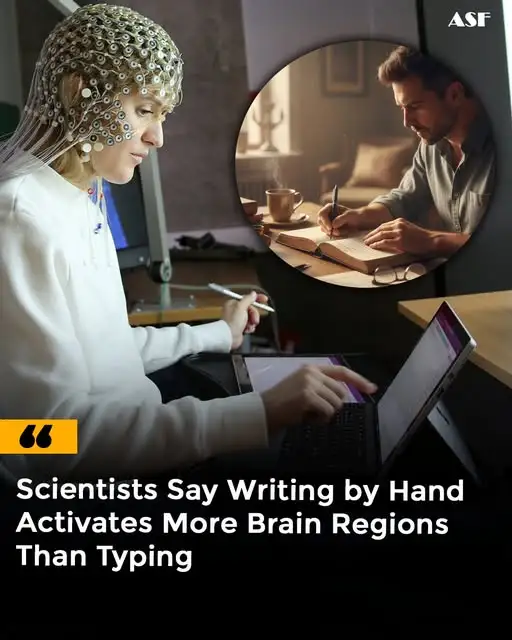
In a recent study using brain scans, participants were asked to either type or handwrite the same words. The results were striking. When handwriting, the brain showed stronger activity in areas responsible for memory retention, emotional engagement, and motor coordination. Typing, in contrast, produced much lower activation in these regions.
In simple terms: when you write by hand, your brain works harder — and smarter.
Why Handwriting Boosts Memory and Learning
When you type, your fingers repeat the same few movements over and over. It’s efficient, but it’s also mechanical. The brain doesn’t need to think deeply about each letter or word — it just follows patterns.
But handwriting is different. It’s slow, intentional, and deeply personal. Every letter requires a series of unique motions, engaging multiple parts of your brain simultaneously — from motor control to visual processing to language comprehension.
That complexity is what strengthens memory.
Studies show that students who take notes by hand remember more information and understand it better than those who type. Because handwriting forces the brain to process ideas actively, not passively. You’re not just copying words — you’re translating thoughts into motion.
Handwriting and Long-Term Memory
When you write something down, you’re telling your brain: “This matters.” The physical act of forming letters reinforces neural connections, making information easier to recall later.
That’s why journaling, doodling, or even writing to-do lists can improve focus and long-term recall. It’s not just about the words — it’s about how your body and mind work together to create them.
How Handwriting Sparks Emotion and Creativity
Typing is efficient, but it often feels detached. Handwriting, on the other hand, connects emotion to expression. You feel the flow of the ink, the texture of the paper, the rhythm of your own thoughts as they take shape. It’s intimate — almost like a conversation with yourself.
That emotional connection has measurable effects on creativity and mood. Writing by hand activates areas in the brain linked to emotion and reward. This is why journaling can reduce stress, help you process emotions, and unlock creative ideas that seem out of reach when typing.
Think about it: some of history’s greatest minds — Leonardo da Vinci, Marie Curie, and Albert Einstein — all relied heavily on handwritten notes. Their notebooks weren’t neat or perfect, but they were alive with ideas.
The Magic of the “Slow Mind”
Handwriting forces you to slow down — and that’s where creativity thrives. When you’re not rushing, your thoughts have time to form deeper connections. You notice details, emotions, and insights that often get lost when you’re typing fast to keep up with your thoughts.
In that slower rhythm, the brain finds clarity. It’s no wonder many writers and artists still prefer pen and paper for their first drafts or sketches — it’s where the mind and the hand meet to create something real.
Typing vs. Handwriting: What the Research Says
Let’s break down the science even more clearly:
- Handwriting activates sensory and motor regions — you engage touch, movement, and vision all at once.
- Typing relies mostly on automatic motion — fingers press keys without much variation.
- Handwriting improves comprehension — you think while you write, organizing thoughts naturally.
- Typing increases speed but decreases retention — fast doesn’t always mean effective.
In short: typing is about efficiency. Handwriting is about connection.
Simple Ways to Reconnect with Handwriting
You don’t need to write pages of cursive or fill a diary every night to get the benefits. Even small habits can retrain your brain to focus and remember better.
1. Write Morning Notes
Start your day with a short handwritten note — what you’re grateful for, your goals, or even how you feel. It centers your mind and gives your brain a creative warm-up.
2. Keep a Pen-and-Paper Journal
Journaling isn’t just for writers. It’s a mental release. Write freely without worrying about grammar or structure. The act itself reduces stress and boosts self-awareness.
3. Handwrite Lists or Ideas
Instead of typing your grocery list or project plan, jot it down. The physical process of writing helps you remember tasks and think more clearly.
4. Write Letters Again
Handwritten letters are powerful. They carry emotion, time, and sincerity. Sending a handwritten note can strengthen relationships in a way that text messages never can.
Handwriting and the Modern Brain
We live in a fast, digital world — and while technology has made life more convenient, it’s also rewiring our brains for constant speed and distraction. Handwriting is one of the few practices that slows the mind, strengthens focus, and grounds us in the present moment.
It’s a gentle reminder that not everything valuable can be done quickly. Some things — like thinking, feeling, and remembering — take time.
Final Thoughts: Write It to Remember It
Typing may be the future, but handwriting is what keeps us human. It’s where emotion, movement, and thought merge into something tangible. Whether it’s a love letter, a list, or a late-night reflection, the simple act of writing by hand can change how your brain works — and how deeply you connect to life itself.
So grab a pen. Write something today. Your brain will thank you.
