
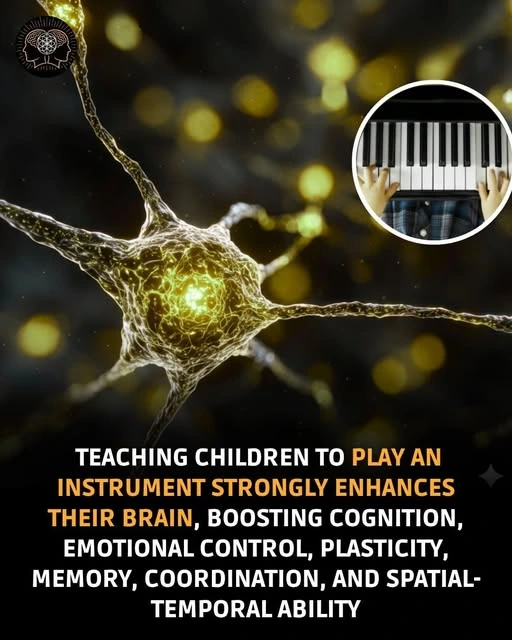
How Learning Music Shapes a Child’s Brain and Boosts Development
There’s something magical about watching a child pick up an instrument for the first time — tiny fingers pressing piano keys or strumming a guitar string. But what if that moment meant more than just learning music? What if it was actually reshaping their brain?
Music shapes minds, sparks growth, and strengthens essential skills. Teaching a child to play an instrument isn’t just about creating a future musician — it’s about unlocking a powerful form of brain training that enhances everything from focus to creativity.
The Science Behind How Music Shapes the Brain
Over the past decade, scientists have uncovered remarkable evidence about how learning music enhances brain development. Children who practice an instrument regularly show measurable changes in brain structure — particularly in areas linked to memory, attention, and problem-solving.
When a child reads notes, moves their fingers, and listens to sound all at once, their brain is doing a full workout. This stimulates neural plasticity — the brain’s ability to form new connections and strengthen existing ones. Simply put, musical training helps the brain grow stronger and more efficient.
Boosting Memory and Cognitive Skills
Studies have shown that children who play instruments often score higher in memory tests and perform better academically. The rhythm and repetition in practice improve both short-term and long-term memory retention. Playing an instrument helps kids store, recall, and process information faster — skills that extend into reading, math, and learning languages.
One study from the University of Vermont found that kids who engaged in consistent musical practice developed better organizational skills and had greater emotional control. It’s no wonder educators call music “the secret ingredient” in child development.
Music and Mathematics: The Hidden Connection
It might seem surprising, but music and math are closely linked. When children read rhythms, count beats, and recognize patterns, they’re engaging the same parts of the brain used for spatial-temporal reasoning — the ability to visualize patterns and solve problems.
This skill is essential for understanding math and science concepts like geometry, engineering, and coding. It’s why many experts say that playing an instrument can make kids better problem-solvers and more confident learners in technical subjects.
Emotional Development Through Musical Training
Music doesn’t just make children smarter — it makes them more emotionally aware. Learning an instrument teaches patience, focus, and emotional regulation. When a child struggles through a difficult piece and keeps practicing, they’re developing persistence and resilience.
Music is also a healthy outlet for emotions. It helps kids express what words can’t always capture — joy, frustration, sadness, or excitement. This emotional awareness often translates into improved empathy, communication, and self-confidence.
The Role of Practice and Discipline
Every time a child sits down to practice, they’re learning more than scales and chords. They’re building discipline. Regular practice routines create structure, improve focus, and strengthen the ability to delay gratification — all traits linked to long-term success.
And unlike other activities, the progress in music is tangible. Children can literally hear their improvement, giving them a sense of accomplishment that fuels motivation and self-belief.
Coordination and Motor Skill Development
Music also enhances fine motor skills and hand-eye coordination. Whether it’s drumming, bowing a violin, or playing piano, each movement requires precise control and timing. This level of coordination supports brain-body communication and can even improve handwriting and reaction time.
As rhythm becomes natural, kids also develop better balance and timing — skills that can carry over to sports and other physical activities.
The Lifelong Benefits of Learning Music
The benefits of musical training don’t disappear when childhood ends. Adults who learned instruments early in life often show stronger memory and cognitive performance well into old age. That’s because those neural connections built through music practice continue to serve the brain for decades.
Additionally, music encourages creativity — a trait vital in nearly every field today. Whether a child becomes a scientist, teacher, designer, or entrepreneur, the ability to think creatively and solve problems from multiple angles gives them a distinct edge.
Music and Mood: A Natural Brain Boost
Listening to or playing music triggers the release of dopamine — the “feel-good” neurotransmitter. This natural brain chemical helps reduce stress and boost happiness. It’s one reason why children who engage with music tend to have better mood stability and emotional balance.
Parents often notice their kids becoming calmer, more focused, and more joyful after consistent exposure to music — whether through lessons, school programs, or at-home play.
How to Introduce Music to Your Child’s Life
You don’t need to be a musician to nurture your child’s musical journey. Here are a few simple ways to get started:
- Start early: Even toddlers can benefit from singing, clapping, and rhythm play.
- Expose them to variety: Let kids listen to different genres — classical, jazz, world music — to spark curiosity.
- Make it fun: Choose instruments that match your child’s interests and personality.
- Encourage practice, not perfection: Focus on enjoyment and progress rather than flawless performance.
- Celebrate small wins: Every song learned or skill mastered deserves recognition.
Even listening to music together as a family can strengthen bonds and improve emotional connection. It’s about creating a positive environment where music becomes part of everyday life.
Final Thoughts: Music as a Tool for Lifelong Growth
Music is more than just sound — it’s science, emotion, and creativity woven together. When a child learns to play an instrument, they’re not just developing a skill; they’re shaping the way their brain thinks, feels, and grows.
From enhanced memory and focus to better emotional regulation and creativity, the benefits of music training reach far beyond the classroom. It’s an investment in their mental, emotional, and intellectual future.
So if you’ve ever thought about introducing music into your child’s life — start now. A few notes today could create a lifetime of harmony tomorrow.
Because every song they learn is a step toward a brighter, smarter, and more confident self.
