
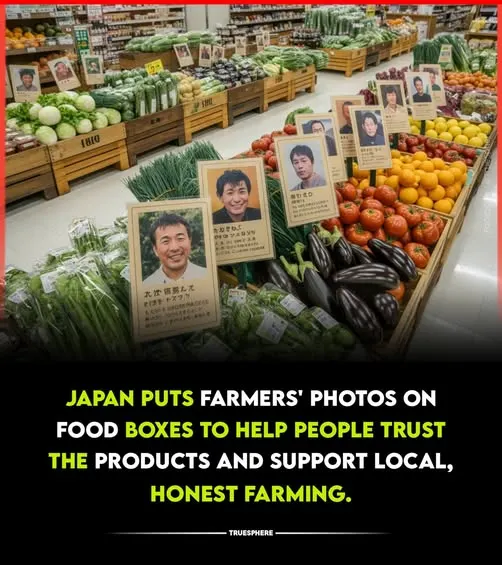
Japan’s New Food Transparency Revolution: Meet the Farmers Behind Your Meals 🍱
Imagine picking up a package of rice or vegetables and seeing the smiling face of the farmer who grew it — along with details about where, when, and how it was cultivated. In Japan, this is no longer a dream. It’s becoming the new normal.
Japan is setting a global standard for food transparency by putting honesty, connection, and trust at the center of its food culture. From farmer photos on packaging to QR codes tracing each product’s journey from field to table, the Japanese approach blends tradition and innovation in the most heartwarming way possible.
The Rise of Radical Transparency in Japan’s Food System
In a world where consumers are questioning where their food comes from, Japan has decided to give clear, authentic answers. Instead of vague “organic” labels or generic “locally sourced” claims, Japanese packaging now tells you exactly who grew your food — and how it was grown.
Many products now feature the farmer’s name, photo, and region right on the label. Some even include personal messages from the growers, like “Thank you for enjoying our harvest” or “We hope this brings you joy.”
It’s more than marketing — it’s a cultural shift. Japan is turning food transparency into a shared value between farmers and consumers.
What Is the Teikei System?
At the heart of this movement lies the Teikei system — Japan’s pioneering model for community-supported agriculture (CSA). The word “Teikei” roughly translates to “partnership” or “cooperation,” and that’s exactly what it represents.
In a Teikei network, local farmers and consumers form direct relationships. Shoppers don’t just buy food — they support a farmer’s livelihood, share seasonal risks, and celebrate every harvest together. Each purchase becomes a statement of trust and sustainability.
How Teikei Works
Consumers subscribe to receive regular deliveries of fresh, local produce straight from nearby farms. In return, farmers commit to transparency, quality, and honesty — often sharing information about farming practices, soil health, and even daily challenges.
Some Teikei groups go further by hosting open-farm days, where families can visit, learn about sustainable agriculture, and even lend a hand during planting season. This connection builds not just better food — but stronger communities.
From Tradition to Technology: How Japan Modernized Food Transparency
Japan’s love for precision and quality has long influenced its approach to food. But now, technology is amplifying those values through innovative solutions like QR codes and digital traceability systems.
Scan a code on a package of strawberries, and you might see:
- The farmer’s name and photo
- Farm location and climate details
- Harvest date and freshness level
- Farming methods (organic, pesticide-free, etc.)
This transparency reassures shoppers that their food is safe, ethically grown, and locally sourced. It also brings consumers closer to the people behind their meals — turning grocery shopping into a meaningful experience.
Why Food Transparency Matters More Than Ever
In an age of mass production and processed goods, many people have grown disconnected from the source of their food. Labels can be misleading, supply chains complex, and trust often fragile. Japan’s food transparency movement seeks to restore that lost trust — one honest label at a time.
By making the origin visible, Japan addresses key consumer concerns:
- Safety: Knowing where food comes from builds confidence, especially after past food scandals and import issues.
- Sustainability: Consumers can choose products that align with their environmental and ethical values.
- Connection: Seeing the human face behind the food transforms eating into an act of appreciation.
This approach not only informs — it inspires gratitude. People begin to value food not just for its taste but for the effort, care, and love that go into producing it.
Japan’s Strict Labeling Laws: Protecting Consumer Trust
Japan’s food labeling laws are among the most stringent in the world. Every product must include precise origin details — from the prefecture of production to allergen information and nutritional data.
Recently, the government has tightened rules to require even more transparency, ensuring that imported goods and processed foods clearly display their country of origin. This clarity helps prevent deception and encourages brands to uphold integrity in sourcing.
Combined with the Teikei model and technology-driven traceability, these laws make Japan a global leader in ethical food labeling.
How Farmers Benefit from Transparency
For many farmers, this system isn’t just about compliance — it’s about pride. Displaying their faces on packaging builds personal recognition and trust with customers. It turns nameless producers into heroes of local food culture.
By sharing their stories, farmers can connect emotionally with consumers who value authenticity and craftsmanship. This, in turn, supports small-scale, family-run farms struggling against industrial agriculture.
When people know the farmer behind their meal, they’re more likely to pay fair prices, reduce food waste, and support local agriculture for the long term.
Consumers Love It Too — And It’s Changing Habits
Japanese consumers have embraced this movement wholeheartedly. Surveys show that people are more likely to buy products featuring transparent origin details or farmer profiles. The sense of connection and accountability builds brand loyalty — and peace of mind.
It’s also influencing how people cook and eat. Many shoppers now choose ingredients based not just on price, but on story. A photo of a smiling farmer from Hokkaido might be the deciding factor between two bags of rice.
Global Lessons from Japan’s Food Transparency Movement
Japan’s success offers a powerful message to the world: transparency builds trust.
As other nations face growing concerns about food safety, sustainability, and ethical sourcing, Japan’s model shows that blending ancient values with modern tools can transform the entire food system.
Imagine if every country adopted a similar approach — where every apple, loaf of bread, or bottle of milk carried a story. Food would no longer be anonymous; it would be personal, human, and honest.
Conclusion: The Future of Food Is Transparent 🌏
Japan’s commitment to food transparency proves that honesty is not just a policy — it’s a philosophy. By honoring the hands that feed us, Japan has turned its food culture into a celebration of trust, tradition, and technology.
As more consumers around the world demand openness about what’s on their plates, Japan’s Teikei system and traceability practices could serve as a blueprint for a more ethical, sustainable future.
Because when we know our farmers, we reconnect with what truly nourishes us — not just food, but trust and community.
