
How New Zealand is Reimagining Public Spaces with Fruit Trees for All
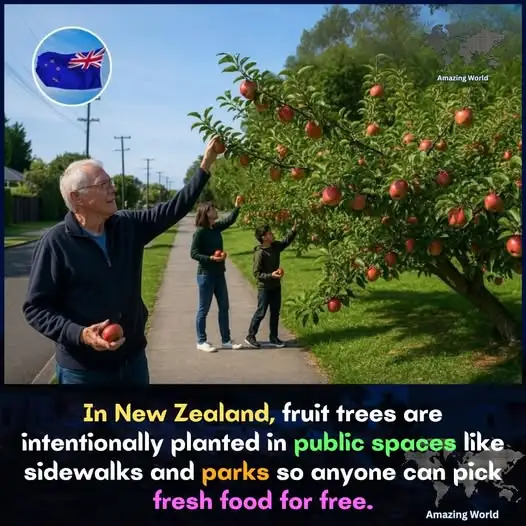
Imagine walking down your local sidewalk, enjoying the fresh air, and then suddenly, you spot a tree laden with ripe apples, plums, or pears. No need to buy them at the store—just pick one and enjoy! This isn’t a dream or a scene from a movie; it’s happening in New Zealand, where fruit trees are being planted in public spaces for everyone to enjoy.
In a world where access to healthy, affordable food can be a challenge for many, New Zealand has found a creative and generous solution. By planting fruit trees in parks, sidewalks, and other public areas, they’re making it easier for people to enjoy fresh, nutritious snacks without spending a penny. This simple but impactful initiative not only benefits individuals but also strengthens communities. Let’s explore how New Zealand is rethinking public spaces and encouraging healthier living for everyone.
The Beauty of Public Fruit Trees: Free Food for All
In New Zealand, the concept of planting fruit trees in public areas is rooted in the belief that access to fresh food should be available to everyone, regardless of their income. These fruit trees provide a bounty of apples, plums, pears, and more—available for anyone to pick and enjoy. What makes this initiative even more beautiful is that it’s not just about free food; it’s about creating a sense of community and connection with nature.
Walking through a park or down a street with fruit trees isn’t just a pleasant experience—it’s an invitation to engage with the environment and enjoy the abundance that nature offers. It fosters a sense of generosity, where everyone can share in the rewards of the earth, without barriers or costs. Whether you’re a parent teaching your child about where food comes from or a neighbor stopping by for a quick snack, these trees bring people together in the most natural way possible.
Encouraging Healthy Eating and Active Living
One of the biggest benefits of this initiative is its positive impact on public health. By making fruit more accessible, New Zealand is encouraging people to eat healthier, more natural foods. Fresh fruit is a key part of a balanced diet, yet many people still struggle to include it regularly due to its cost or accessibility. The public fruit trees provide an easy way to add more healthy snacks to the daily routine without breaking the bank.
Moreover, the presence of these trees in parks and public spaces also promotes physical activity. People are encouraged to walk or visit these green spaces, and children can play freely while learning to appreciate nature. This simple initiative combines healthy eating with active living, benefiting both physical and mental health. It’s a beautiful reminder that even small changes in the environment can have a significant impact on how we live.
Bringing Communities Together
Beyond the physical health benefits, these public fruit trees help create stronger, more connected communities. They offer a shared resource that brings people together, whether it’s a family gathering for a fun afternoon of fruit picking, neighbors chatting over apples, or children learning about sustainability and food sources. These interactions foster a sense of belonging and promote the idea that we all share responsibility for the well-being of our environment and each other.
In a world that often feels disconnected, having a space where people can gather, share, and connect with nature provides an essential sense of community. The simple act of picking a fruit from a tree can lead to a conversation, a moment of joy, or even a shared recipe—small interactions that strengthen the fabric of society.
Teaching the Next Generation About Nature and Food
One of the most powerful aspects of this initiative is its ability to teach children about the origins of food. In many urban environments, children may not fully understand where their food comes from, or how it grows. By planting fruit trees in public spaces, New Zealand is providing children with an opportunity to see, touch, and taste fresh produce in its natural setting.
This experience teaches valuable lessons about sustainability, nature, and the importance of fresh food. It sparks curiosity and encourages children to make healthier choices as they grow older. Instead of reaching for processed snacks, they may be more inclined to pick an apple from a tree, knowing where it came from and how it contributes to their well-being.
The Ripple Effect: How Small Actions Lead to Big Changes
The beauty of this initiative lies in its simplicity. Planting fruit trees in public spaces may seem like a small gesture, but the impact is profound. By making fresh, healthy food more accessible, New Zealand is promoting healthier lifestyles, reducing food insecurity, and fostering stronger communities. It shows that even the smallest actions—like planting a tree—can lead to significant positive changes in society.
What’s more, this initiative can be replicated anywhere. While it started in New Zealand, the concept of planting fruit trees in public spaces is something that can be adopted by other countries, cities, or neighborhoods looking to improve access to healthy food. It’s a reminder that change doesn’t have to be complicated—it can start with something as simple as a tree.
Conclusion: A Fruitful Future for Communities Everywhere
New Zealand’s initiative of planting fruit trees in public spaces is a beautiful example of how thoughtful use of public land can have far-reaching benefits. It provides access to free, fresh food, promotes healthy eating, fosters community connections, and teaches the next generation about nature and sustainability.
By embracing this simple idea, New Zealand is not only making a difference in the lives of individuals but also setting an example for the world. It’s proof that small, positive changes can lead to big results, and that caring for each other and the environment can go hand in hand.
If you’re looking for a way to make a difference in your own community, consider supporting initiatives that promote access to healthy food and public spaces that bring people together. It’s a small step that could lead to a much bigger impact.
