
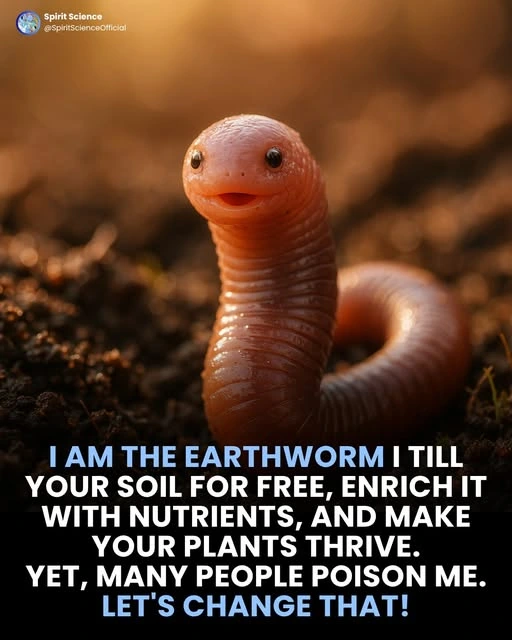
The Humble Earthworm: The Unsung Hero That Keeps Our Planet Alive
When was the last time you thought about an earthworm?
Probably never — and that’s exactly why this tiny creature deserves a moment in the spotlight. Hidden beneath our feet, earthworms are quietly shaping the health of our planet. They work tirelessly, unseen, turning the soil, feeding plants, and sustaining life in ways most of us rarely consider.
Yet, despite their vital role in nature, they are often poisoned, overlooked, or dismissed as “just worms.” The truth is, without them, our gardens, farms, and ecosystems would struggle to survive. These silent workers are one of the greatest natural gifts we have — and one of the most underappreciated.
🌱 The Silent Work of the Earthworm
Earthworms may seem simple, but their role in the environment is nothing short of extraordinary. They are nature’s recyclers, constantly breaking down organic matter like fallen leaves and decaying roots into rich, fertile soil. This process, called decomposition, replenishes the earth with nutrients that plants need to grow.
As they burrow and digest, earthworms mix the soil, allowing air and water to flow freely. Their tunnels act as natural irrigation channels, improving drainage and root growth. In essence, every move they make helps the earth breathe and thrive.
In fact, farmers and gardeners call them “ecosystem engineers” because their activity directly determines soil fertility. Without earthworms, our food systems would collapse — it’s that simple.
🌍 Earthworms: Nature’s Foundation Builders
Charles Darwin once said, “It may be doubted whether there are many other animals which have played so important a part in the history of the world as have these lowly organized creatures.” He wasn’t exaggerating.
Over time, earthworms help transform barren dirt into lush landscapes. Their castings — the nutrient-rich material they excrete — are packed with nitrogen, phosphorus, and potassium, which are essential for plant health. This makes earthworms critical for agriculture, forest regeneration, and even climate resilience.
Healthy soils store carbon, retain moisture, and resist erosion — all thanks to the activity of earthworms. When we protect them, we’re also protecting the planet’s ability to feed us and fight climate change.
💔 The Hidden Harm: How We Mistreat Earthworms
Unfortunately, modern practices often harm these gentle soil guardians. The widespread use of pesticides, chemical fertilizers, and soil compaction destroys their habitats. Each time we pour chemicals into our gardens or discard waste carelessly, we threaten the very organisms that make life possible.
Deforestation, over-farming, and pollution have also taken a toll on worm populations worldwide. When we strip the soil of organic matter, we strip away their food. When we poison pests, we poison them too.
It’s ironic, isn’t it? The creatures that nurture our land are often the first casualties of our convenience-driven lifestyle.
🪱 A Metaphor for Humanity
The earthworm isn’t just a marvel of biology — it’s a powerful metaphor for humility and service.
Think about it: earthworms never seek recognition. They don’t compete for attention, make noise, or demand credit. Yet, without them, life as we know it would crumble. Their quiet persistence mirrors the countless people and beings in our world who work behind the scenes — the caretakers, the helpers, the silent givers.
Like the earthworm, there are individuals who nourish communities, heal others, or protect the environment, often without thanks or applause. Their work may go unnoticed, but it sustains everything around them.
🌾 What We Can Learn from the Earthworm
The earthworm reminds us that greatness doesn’t always come with fanfare. Sometimes, it looks like showing up every day, doing the small, necessary things that make life better for others. Their existence teaches us about balance, contribution, and interconnectedness.
We, too, have a role in the ecosystem — not as masters of the Earth, but as caretakers. When we treat the soil kindly, we nurture not just plants, but all the unseen life that supports us. And in doing so, we rediscover our place in the cycle of giving and receiving.
🌎 How to Protect and Support Earthworms
Protecting earthworms is simple and deeply rewarding. Here are a few ways you can help these natural heroes thrive:
- 1. Avoid chemical pesticides and fertilizers. Choose organic or natural alternatives that won’t harm soil life.
- 2. Compost your waste. Earthworms love organic matter. Composting feeds them while reducing landfill waste.
- 3. Keep your soil covered. Mulch, leaves, and compost help maintain moisture and provide food for worms.
- 4. Reduce soil disturbance. Avoid excessive tilling, which can destroy worm tunnels and habitat.
- 5. Encourage biodiversity. Plant a variety of crops and native plants to create a balanced ecosystem.
Small changes can have a big impact. Each handful of healthy soil contains thousands of earthworms, all contributing to a living, breathing planet beneath our feet.
💚 Rethinking Our Relationship with the Natural World
In a world obsessed with speed, technology, and visibility, the earthworm offers a lesson in quiet power. It reminds us that not all value is visible — and that some of the most important work happens where no one sees.
Just as the earthworm nourishes the soil without reward, we can choose to live with purpose, kindness, and connection to the world around us. We can respect the unseen forces — both human and natural — that sustain life.
Because when we protect the humble, we protect the whole.
🌻 Final Thoughts: The Power Beneath Our Feet
Next time you see an earthworm after a rainstorm, pause and give it a moment of gratitude. That tiny creature is part of a massive, miraculous system that keeps our planet alive.
The earthworm is more than just a worm — it’s a symbol of humility, resilience, and life itself.
Let’s protect them. Let’s celebrate them. And most importantly, let’s live a little more like them — quietly contributing to a world that thrives because of our care.
#Earthworms #Sustainability #SoilHealth #EnvironmentalAwareness
