
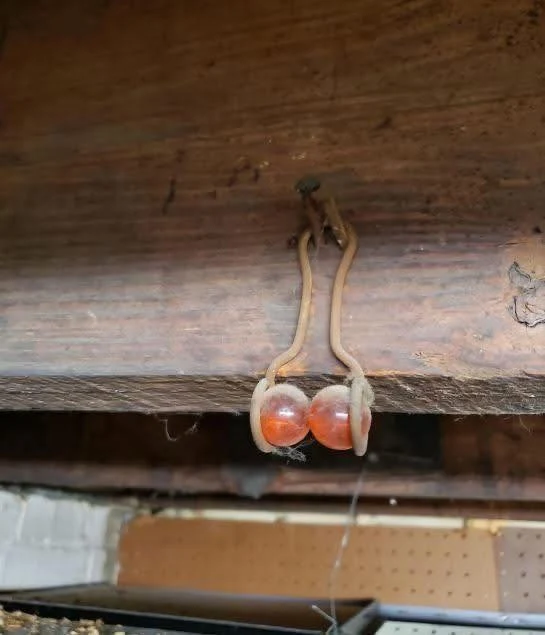
In our world of disposable gadgets and digital precision, there exists a quiet, almost forgotten magic in the tools of the past. The vintage marble razor knife sharpener is one such artifact—not merely a utilitarian object, but a miniature monument to an era when design, material, and purpose were fused with palpable artistry. To hold one is to hold a key to a different philosophy of care and maintenance, where sharpening a blade was a ritual, not a chore.
A Relic of Practical Elegance: Form Meets Unyielding Function
These sharpeners, often gracing the vanities and shaving stands of gentlemen from the late 19th to mid-20th century, are studies in elegant simplicity. Their typical construction reveals a thoughtful design:
-
The Foundation: A sturdy base of polished wood, cast iron, or marble, providing weight and stability.
-
The Spine: A vertical steel rod or blade, fixed firmly to the base.
-
The Crown Jewel: A smooth, flawless sphere of marble or glass (sometimes agate or crystal), mounted atop the rod. This sphere acts as both a functional stop and a decorative finial, catching the light and drawing the eye.
The mechanism was brilliantly straightforward. A straight razor’s blade would be drawn along the steel spine at the perfect honing angle, with the marble sphere preventing the tip from overrunning and nicking the sharpener or the user’s hand. It was a guide, a guard, and a guarantor of consistency.
The “Mystical Power” Unlocked: The Ritual of Attention
The true power of this relic isn’t supernatural—it’s psychological and tactile. It represents a series of values largely absent from our modern “buy-and-replace” culture:
-
The Power of Preservation: In an age of planned obsolescence, this tool embodies the care and maintenance of precious objects. A well-made straight razor could last a lifetime, even generations, but only if tended to with regular, mindful stropping and honing. The sharpener facilitated this relationship between owner and tool.
-
The Power of Ritual: The act of sharpening became a mindful, sensory ritual. The sound of steel whispering against steel, the visual check of the edge, the final test on a hair or thumb—it demanded focus and presence. This was a moment of preparation that honored the act to come (the shave), transforming a daily task into a practice of patience and skill.
-
The Power of Tangible Craft: Every material was chosen with intention. The cool, substantial weight of the marble. The unyielding strength of the steel. The warm, organic grain of the wood. Using it connects you to the physicality of craftsmanship in a way a plastic electric sharpener never could.
-
The Power of Silent Design: It needs no electricity, no manual, no updates. Its function is immediately apparent, its form enduringly beautiful. It represents self-sufficient design that solves a problem with grace and permanence.
A Modern Metaphor
Today, the vintage marble razor sharpener is more than a collectible. It’s a talisman for a slower, more intentional way of living. It reminds us to:
-
Invest in things that last.
-
Take time for the rituals that maintain them.
-
Find beauty in functional objects.
-
Master simple, tactile skills.
To “unlock its mystical power” is to embrace these principles. It’s to acknowledge that sometimes, the most advanced technology is the one that has been perfected over a century ago, requiring nothing but a human hand and a bit of mindful attention. It’s a quiet rebellion against the disposable, a celebration of the enduring, and a beautiful connection to the daily rhythms of a more deliberate past.
