
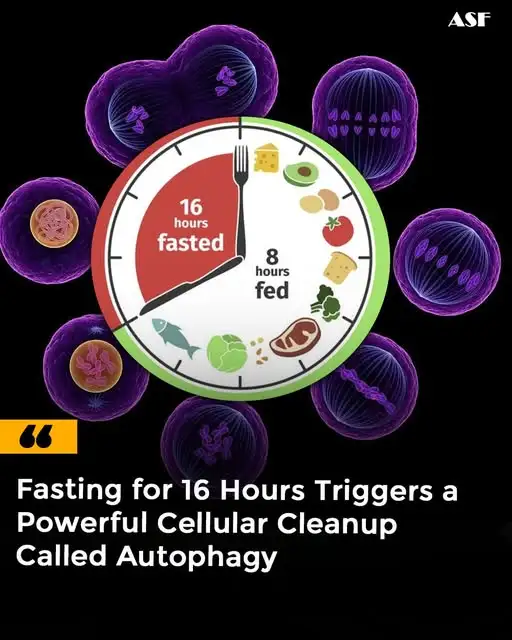
What Happens to Your Body During Fasting: The Secret Power of Autophagy
What if skipping a few meals could help your body heal itself from the inside out?
It might sound surprising, but that’s exactly what happens during fasting. When you stop eating for a certain period, your body activates a powerful natural process called autophagy — a kind of “cellular cleanup” where your cells remove damaged parts and regenerate themselves.
This self-repair mechanism doesn’t just make you feel lighter — it can slow aging, boost metabolism, and even protect against diseases. Let’s explore how fasting and autophagy work together to help your body thrive.
🧬 What Is Autophagy?
The word autophagy comes from Greek, meaning “self-eating.” But don’t worry — it’s not as scary as it sounds. It’s actually one of the most incredible natural repair systems inside your body.
During autophagy, your cells identify damaged or old proteins, toxic buildup, and malfunctioning parts. Then, they “digest” and recycle them into new, healthy cellular components. Think of it as spring cleaning at a microscopic level.
This process is essential for keeping your body’s systems balanced, reducing inflammation, and preventing the accumulation of damaged cells — the kind that contribute to aging and disease.
⏳ How Fasting Triggers Autophagy
When you eat constantly, your body focuses on digestion — breaking down food, absorbing nutrients, and managing energy. But when you fast, the body shifts gears.
After about 12 to 16 hours of fasting, your insulin levels drop, and your body begins searching for alternative energy sources. That’s when autophagy kicks in.
Instead of relying on food, your cells start recycling old or damaged materials for energy. It’s nature’s way of helping you survive in times of scarcity — while also cleansing your body from the inside.
That’s why many people who practice intermittent fasting often report feeling clearer, more focused, and energized after the first few days. Your body is literally renewing itself.
🌿 The Science-Backed Benefits of Autophagy
Modern research has revealed that autophagy is far more than just a survival mechanism. It plays a crucial role in long-term health and disease prevention.
1. Slows Down Aging
As we age, damaged cells and proteins accumulate in our bodies. This buildup contributes to wrinkles, fatigue, and chronic diseases. Fasting-induced autophagy helps clear out those damaged elements, making room for new, healthy cells — a key factor in anti-aging.
2. Boosts Metabolism
When your cells become more efficient through autophagy, your metabolism naturally improves. Fasting helps regulate insulin sensitivity and supports fat-burning — making it easier to maintain a healthy weight and energy balance.
3. Protects Against Diseases
Research shows that autophagy plays a protective role against conditions like diabetes, heart disease, Alzheimer’s, and even cancer. By cleaning up damaged cells and reducing inflammation, it keeps your body’s systems running smoothly.
4. Improves Brain Health
Autophagy helps remove dysfunctional proteins and support the growth of new neurons. This can enhance memory, focus, and cognitive function — reducing the risk of neurodegenerative disorders like dementia.
5. Strengthens Immunity
When your cells are constantly renewing, your immune system works more efficiently. Fasting helps your body identify and eliminate malfunctioning immune cells, allowing healthier ones to take their place.
💡 How to Activate Autophagy Safely
You don’t need to go on extreme fasts or starve yourself to activate autophagy. The goal is to create the right balance for your body. Here are some proven ways to do it safely:
1. Try Intermittent Fasting
One of the easiest methods is intermittent fasting — cycling between eating and fasting periods. The most popular pattern is 16:8, where you fast for 16 hours and eat within an 8-hour window.
During fasting hours, your body begins its natural cleanup mode. Many people find it easier to fast overnight, simply skipping breakfast or dinner depending on their routine.
2. Eat Clean, Whole Foods
What you eat when you’re not fasting is just as important. Focus on foods that support cellular health: leafy greens, nuts, seeds, fatty fish, olive oil, and antioxidant-rich fruits.
Avoid ultra-processed foods, refined sugars, and trans fats — they cause inflammation and slow down your body’s repair process.
3. Stay Hydrated
Water plays a crucial role during fasting. It helps flush out toxins and supports the breakdown of waste materials. Herbal teas and black coffee (without sugar) are also safe options during fasting hours.
4. Get Enough Sleep
Autophagy increases during deep sleep. Prioritizing 7–8 hours of quality rest each night enhances your body’s ability to repair and regenerate cells effectively.
5. Reduce Stress
Chronic stress produces cortisol, which can block autophagy. Try activities like meditation, light yoga, or spending time in nature to keep your stress levels balanced.
⚖️ How Long Should You Fast?
The length and type of fast depend on your lifestyle and health goals. Here’s a general guideline:
- 12-hour fast: Good for beginners. It supports mild autophagy and improves digestion.
- 16-hour fast: The sweet spot for most people — this significantly boosts autophagy and fat metabolism.
- 24-hour fast: More advanced. It can enhance cellular detox and energy renewal but should only be done occasionally.
Always listen to your body. If you feel dizzy, extremely fatigued, or unwell, break your fast with something light and nourishing.
🔥 Common Myths About Fasting and Autophagy
Myth 1: Fasting Destroys Muscle
In reality, fasting enhances growth hormone production, which protects muscle mass while promoting fat loss.
Myth 2: You Need Supplements to Trigger Autophagy
Your body already knows how to do this — fasting simply activates it naturally. You don’t need expensive pills or powders.
Myth 3: It’s Just About Weight Loss
Autophagy goes beyond looks. It’s about longevity, cellular health, and protecting your body from within.
🌞 The Bottom Line
Autophagy is your body’s built-in repair system — and fasting is one of the simplest, most natural ways to activate it. When you give your body a break from constant eating, you allow it to detox, renew, and come back stronger.
Think of fasting as pressing the “reset button” on your health. You’re not depriving your body — you’re giving it the space it needs to heal.
So the next time you skip breakfast or decide to fast for a few hours, remember this: you’re not just burning fat — you’re rebuilding yourself from the inside out.
Start small. Stay consistent. And let your body’s natural intelligence do the rest.
