
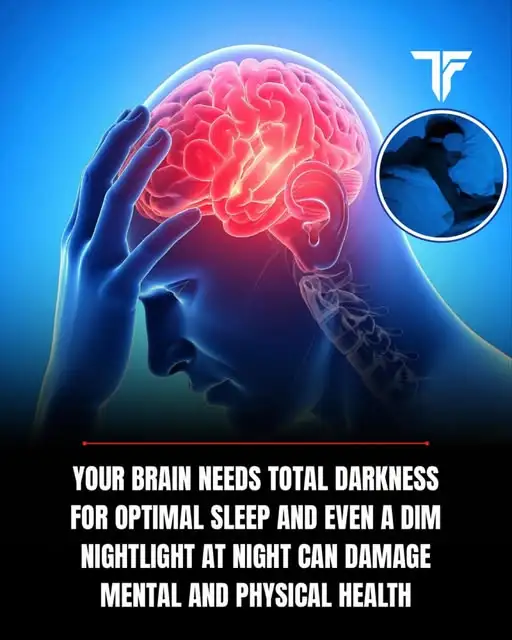
Why Sleeping in Total Darkness Is Essential for Your Health
Have you ever noticed how peaceful it feels to sleep in a completely dark room? There’s a reason for that — and it’s more than just comfort. Total darkness isn’t just about getting better rest; it’s about protecting your mental, hormonal, and physical health.
Recent research has found that even dim light exposure during sleep can disrupt your body’s internal clock, mess with your hormones, and increase your risk of serious health problems — from anxiety to metabolic disorders. In short, darkness isn’t optional. It’s biological.
The Science of Darkness and Sleep
Your body runs on a built-in rhythm called the circadian rhythm — a 24-hour internal clock that tells you when to feel awake and when to feel tired. This rhythm depends on one key signal: light.
When the sun goes down, your brain releases a hormone called melatonin. Melatonin signals that it’s time to rest, helping you fall asleep and stay asleep. But when your eyes detect light — even a faint glow from your phone, TV, or a nightlight — your brain gets confused and slows melatonin production.
The result? You feel more awake at night, sleep less deeply, and wake up tired even after 8 hours in bed.
How Artificial Light at Night Disrupts Your Health
Exposure to artificial light at night (often called ALAN) does more than make you toss and turn. It disrupts your entire biological rhythm. Studies show that ALAN affects metabolism, mood, and hormone balance — three pillars of long-term health.
When your circadian rhythm is off, your body doesn’t just lose sleep. It starts producing hormones at the wrong times, changing how you process sugar, store fat, and regulate appetite. Over time, this can lead to insulin resistance, weight gain, and even type 2 diabetes.
Researchers have also linked nighttime light exposure to higher rates of cardiovascular disease and mood disorders like anxiety and depression. The science is clear: darkness isn’t just for comfort — it’s for survival.
Even Small Amounts of Light Matter
Think your nightlight or TV glow doesn’t make a difference? Think again. Even a soft, warm bulb or a tiny LED light can prevent your brain from entering deep, restorative sleep.
This stage of sleep — known as slow-wave sleep — is where your brain consolidates memories, repairs cells, and restores energy. Missing out on it means your body never fully recovers from the day.
In one study, participants exposed to dim light while sleeping showed increased heart rates, higher insulin levels, and decreased melatonin production. Their bodies, in short, acted as though it was daytime — even though they were asleep.
The Hidden Health Effects of Light While You Sleep
- Reduced melatonin: Blue light from phones and screens signals your brain to stay awake.
- Hormonal imbalance: Irregular sleep affects cortisol, insulin, and thyroid hormones.
- Weakened immunity: Poor-quality sleep reduces your body’s ability to fight infections.
- Slower metabolism: Disrupted rhythms can make it harder to maintain a healthy weight.
- Mood swings: Inadequate darkness at night has been linked to depression and anxiety symptoms.
Why Total Darkness Is Especially Important for Children
We often worry about kids being afraid of the dark, but here’s the truth: infants are not naturally afraid of darkness. That fear develops later — usually around ages 2 to 3 — as imagination and awareness expand.
For babies, complete darkness is actually better. It helps them establish healthy circadian rhythms early on, improving sleep quality, brain development, and mood regulation. If you do need a light for nighttime feedings or diaper changes, choose a motion-detected, red-tinted light that turns off automatically.
For toddlers, you can gradually reduce light exposure by using dim, warm bulbs or time-controlled lights that fade after a few minutes.
How to Create a Sleep Sanctuary — Darkness Edition
You don’t need to live like a vampire to protect your sleep. A few small changes can make your bedroom a true haven of rest.
1. Block Out All Light Sources
Invest in blackout curtains to block streetlights or car beams. Cover or tape over blinking electronics like routers, clocks, or power strips. If total blackout isn’t possible, a comfortable sleep mask can make a world of difference.
2. Limit Screen Time Before Bed
Blue light from phones, tablets, and TVs suppresses melatonin more than any other kind. Try turning off screens at least 60 minutes before bedtime. Instead, read a physical book, stretch, or listen to calming music.
3. Use Red or Amber Lighting
When you need light at night, choose warm colors. Red and amber tones affect melatonin production far less than cool, white, or blue light. Avoid bright bathroom or hallway lights during nighttime trips.
4. Keep Your Room Cool and Quiet
Darkness works best when paired with a slightly cool temperature (around 18°C or 65°F) and minimal noise. A white noise machine or fan can help mask external sounds that disrupt sleep.
5. Make It a Family Habit
Help your children and partner understand why darkness matters. When the whole family follows consistent bedtime lighting rules, everyone benefits — better mood, sharper focus, and more energy during the day.
Can a Sleep Mask Really Help?
If you can’t fully darken your room — say, you live in a city with streetlights or share space with others — a high-quality sleep mask is your best friend. It’s a simple, affordable solution that blocks light instantly. Just make sure it’s breathable, adjustable, and comfortable enough to wear all night.
Many frequent travelers, nurses, and shift workers rely on sleep masks to “trick” their brains into nighttime mode, even during the day. The key is consistency — your brain learns that darkness means rest.
Darkness and Your Mental Health
Lack of true darkness doesn’t just make you tired — it can affect how you feel. Your brain’s chemistry relies on proper light exposure patterns to regulate mood. When artificial light interferes, serotonin and dopamine — the “feel-good” hormones — get out of sync.
That’s why people exposed to bright lights at night often experience higher stress levels and anxiety. Over time, this imbalance can contribute to depression or emotional fatigue. The good news? Returning to natural sleep patterns can help restore emotional balance within weeks.
Final Thoughts: Darkness Is Healing
In a world that never stops glowing, embracing darkness feels almost rebellious — but it’s exactly what your body needs. True rest happens when your eyes and brain can fully disconnect from artificial light.
Whether you use blackout curtains, a sleep mask, or simple bedtime habits, protecting your sleep from light exposure is one of the easiest ways to improve your health, energy, and mood.
So tonight, turn off the screens, dim the lamps, and let darkness do its magic. Your body will thank you in the morning.
