
5 Health Conditions That Can Cause Visible Veins — And When You Should Worry
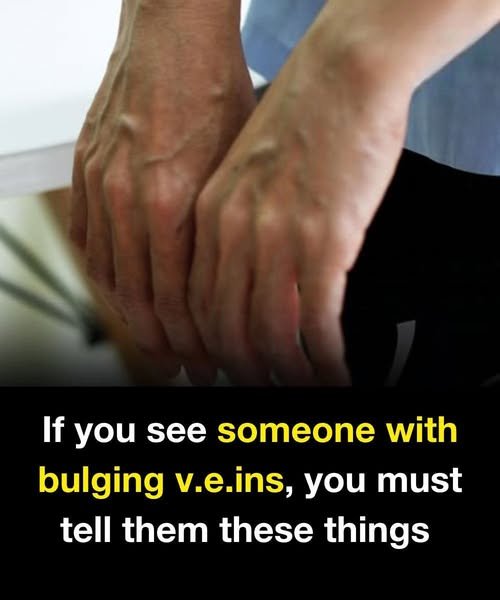
Have you ever looked down at your hands, arms, or legs and noticed your veins looking unusually visible — almost popping out under your skin?
For some people, this is completely normal. It can happen after a workout, on a hot day, or as part of aging. But in other cases, visible veins can be your body’s way of whispering — or sometimes shouting — that something deeper is going on.
Let’s dive into five health conditions that can cause visible veins and what they might mean for your health.
1. Varicose Veins — The Most Common Culprit
If your veins appear twisted, bulging, or rope-like, you may be dealing with varicose veins. They usually appear on the legs or feet and can look dark blue or purple.
Varicose veins happen when the valves inside your veins stop working properly. Instead of blood flowing smoothly back to your heart, it pools in your veins — making them swell and stand out.
Common symptoms include:
- Heaviness or aching in your legs
- Swelling after standing for long periods
- Visible, twisted veins under the skin
What you can do: Compression stockings, regular exercise, and elevating your legs can help improve circulation. In severe cases, medical procedures like sclerotherapy or laser treatment can remove or reduce varicose veins.
2. Low Body Fat or High Muscle Definition
Not all visible veins are a sign of illness. In fact, low body fat or high muscle tone can make veins more visible — especially in athletes and people who work out regularly.
When you have less fat covering your muscles, veins naturally become more pronounced. This is common in bodybuilders, runners, and anyone who maintains a lean physique.
However, if your veins suddenly become more visible without a change in activity or diet, it’s worth checking with your doctor. Sudden changes could signal something else, like dehydration or circulation problems.
3. Deep Vein Thrombosis (DVT)
This one is more serious. Deep vein thrombosis occurs when a blood clot forms in a deep vein — usually in the legs. It can cause visible veins, swelling, pain, and warmth in the affected area.
DVT is dangerous because if a clot breaks free, it can travel to the lungs and cause a pulmonary embolism — a life-threatening condition.
Common warning signs include:
- Sudden swelling or redness in one leg
- Pain or tenderness in the calf or thigh
- Veins appearing more prominent or engorged
If you suspect DVT, seek medical attention immediately. Early treatment with blood thinners can prevent complications and save your life.
4. Hormonal Changes and Pregnancy
During pregnancy or hormonal shifts, many people notice veins becoming more visible — especially on the legs, chest, or breasts.
This happens because pregnancy increases blood volume and puts extra pressure on your veins. Hormones like progesterone also relax vein walls, making it easier for them to stretch.
While visible veins in pregnancy are usually harmless, they can be uncomfortable or unsightly. The good news? Most fade after childbirth.
Tips to manage them:
- Keep your legs elevated when possible
- Avoid standing or sitting for too long
- Stay hydrated and move regularly
Hormonal birth control or menopause can also make veins more noticeable, though not as dramatically as pregnancy.
5. Chronic Venous Insufficiency (CVI)
Chronic venous insufficiency (CVI) is a long-term condition where the veins in your legs struggle to send blood back to your heart efficiently. Over time, this can cause veins to appear more visible or swollen.
Unlike simple varicose veins, CVI can cause ongoing symptoms like:
- Persistent swelling in your lower legs or ankles
- Skin discoloration or dryness around the ankles
- Itching or burning sensations
- Open sores or ulcers that heal slowly
Left untreated, CVI can lead to more serious complications. Treatment usually includes lifestyle changes, compression therapy, and in some cases, surgery to restore proper circulation.
When to See a Doctor About Visible Veins
Not every visible vein is a cause for concern. But if your veins appear suddenly, feel painful, or are accompanied by swelling or skin changes, don’t ignore them.
See a healthcare professional if you experience:
- Sudden swelling or redness in one limb
- Pain, throbbing, or tenderness in your veins
- Veins that appear twisted or bulging
- Skin changes like dryness, darkening, or ulcers
Your doctor may perform an ultrasound or vein study to determine the cause and create a personalized treatment plan.
Can You Prevent Visible Veins?
In some cases, yes. While genetics play a big role, lifestyle habits can make a difference.
Simple ways to protect your vein health include:
- Exercising regularly to boost circulation
- Avoiding sitting or standing still for long periods
- Keeping your legs elevated when resting
- Maintaining a healthy weight
- Wearing compression stockings if recommended
These habits help your blood flow efficiently, keeping your veins — and your overall circulation — in better shape.
The Bottom Line
Visible veins can mean a lot of things. Sometimes they’re a badge of fitness, and other times, they’re a quiet signal that your body needs attention.
Understanding the health conditions that cause visible veins — from varicose veins to circulation issues — can help you spot early warning signs and take action before problems grow.
If you’re ever unsure, don’t guess. A quick checkup can offer peace of mind and ensure your veins (and your heart) are healthy and strong.
Remember: your body speaks in signals — and sometimes, those signals run just beneath the surface.
Always consult your healthcare provider before starting or changing any medical treatment.
