
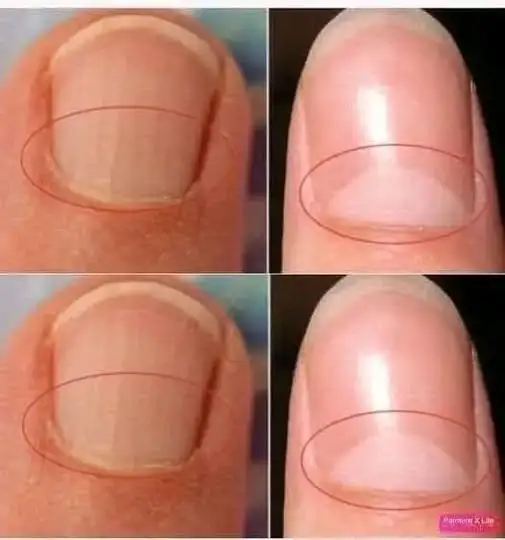
If Your Nails Don’t Have a Half-Moon Shape, See a Doctor Immediately
Have you ever looked closely at your nails and noticed a tiny white, half-moon shape near the base? That little crescent is called the lunula — Latin for “little moon.” Most people have them, but here’s something many don’t realize: the presence, color, or disappearance of these half-moons can reveal important clues about your health.
Yes, your nails can actually warn you about what’s happening inside your body — long before you feel any symptoms. And if your nails no longer show those half-moon shapes, it might be time to pay attention.
What Exactly Is the Half-Moon on Your Nails?
The lunula (plural: lunulae) is the whitish, crescent-shaped area found at the base of your fingernails and toenails. It’s part of the nail matrix — the region under the skin that produces new nail cells.
Healthy nails typically show a visible lunula, especially on the thumbs. It’s a subtle sign that your body is generating nails properly and that circulation, oxygen levels, and cell regeneration are functioning as they should.
But what happens if that little half-moon starts fading… or disappears entirely?
When Missing Half-Moons Could Be a Warning Sign
If you notice your nails no longer have visible lunulae, or they suddenly start to vanish, doctors say it might be more than just a cosmetic change. It can signal potential issues related to:
- Circulatory health – Poor blood flow or low oxygen levels can reduce nail bed visibility.
- Thyroid problems – Especially hypothyroidism, where your metabolism slows and nail growth weakens.
- Vitamin and mineral deficiencies – Low levels of vitamin B12, iron, zinc, and protein can affect nail health.
- Heart or liver conditions – Some chronic diseases can impact how nails form and appear.
- Chronic fatigue or stress – High stress can reduce circulation and slow cell repair, making the lunula less visible.
So if your once-prominent half-moons are fading, it’s worth mentioning to your doctor. It doesn’t automatically mean something serious, but it’s your body’s way of asking you to take a closer look.
Why Some People Naturally Have Fainter Lunulae
Before you panic, it’s important to understand that not everyone has clearly visible half-moons — and that can be perfectly normal. For some, lunulae are naturally smaller, covered by the cuticle, or hidden by thicker skin near the nail base.
In fact, studies show that around 10–15% of people have barely visible lunulae without any underlying health issues.
But here’s the key difference: If you used to have them and they suddenly disappeared, that’s when it’s worth paying attention.
What Your Nail Color and Shape Might Reveal
Your nails are like health messengers — and the lunula isn’t the only part to watch. Changes in color, texture, or shape can also say a lot about your body’s condition.
1. White or Pale Lunula
May indicate anemia or low iron levels. The body might not be producing enough red blood cells to deliver oxygen efficiently.
2. Blue or Purple Lunula
Could signal circulation problems or oxygen deficiency. Sometimes it’s a sign of respiratory issues or heart conditions.
3. Red or Pink Lunula
May be linked to heart disease, high blood pressure, or inflammation. Red lunulae have also been observed in patients with lupus or psoriasis.
4. Yellowish or Brownish Nails
Often point to fungal infections, smoking, or in some cases, liver dysfunction. If your nails thicken and turn yellow, get them checked.
5. Spoon-Shaped or Curved Nails
Sometimes a symptom of iron deficiency anemia. The nails may become thin, brittle, and dip inward like a spoon.
Our bodies speak through small signs — and nails are one of those subtle, early warning systems we often ignore.
Can You Restore Your Half-Moon Nails?
If your lunulae are fading or gone, the first step is not panic — it’s investigation. The cause could be something simple, like nutritional imbalance or stress.
Here’s how you can help restore nail health naturally:
- ✅ Eat a diet rich in protein, biotin, and vitamin B12.
- ✅ Stay hydrated — dehydration affects blood flow and nail strength.
- ✅ Get regular blood tests to monitor iron and thyroid function.
- ✅ Avoid harsh nail chemicals or excessive manicures.
- ✅ Manage stress through meditation, yoga, or light exercise.
It may take several months for nail changes to show improvement, as nails grow slowly — but consistent care makes a difference.
When to See a Doctor
If you notice sudden changes in your nails — especially discoloration, brittleness, ridges, or disappearing lunulae — don’t ignore them. Your doctor might suggest blood work or tests to check for thyroid imbalance, anemia, or nutritional deficiencies.
Early detection can make all the difference. Something as small as a half-moon could be your body’s first whisper that something needs attention before it becomes serious.
The Bottom Line
Your nails are more than a beauty feature — they’re a reflection of your inner health. The half-moon shape, or lunula, plays a small but important role in that story.
If yours are missing or changing, don’t ignore it. Instead, use it as a gentle reminder to check in with your body — eat better, rest more, and see your doctor if needed.
Sometimes, the smallest signs carry the biggest messages. Your nails may just be trying to tell you something your body already knows.
#HealthTips #NailCare #Lunula #BodySignals #Wellness
