
Smartphones and Childhood: The Hidden Cost of Early Digital Exposure
Think back to your own childhood — riding bikes with friends, playing outside until the streetlights came on, and talking face-to-face instead of through a screen. For today’s kids, that world looks very different. Instead of playgrounds, many are growing up in a digital landscape, one that fits in the palm of their hand.
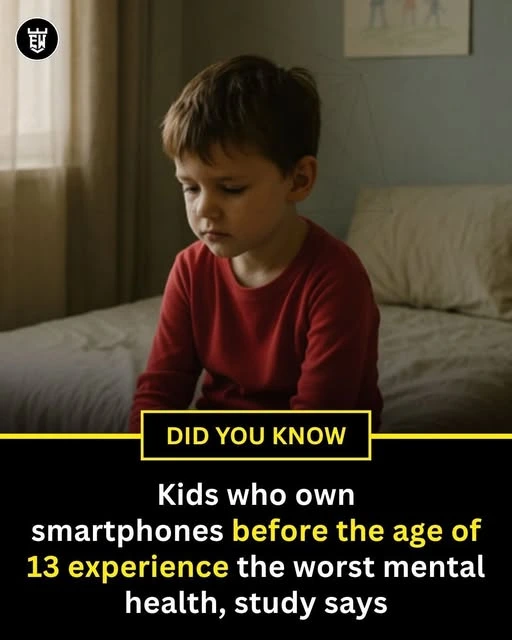
Recent research is shedding light on something many parents have long suspected: smartphones may be reshaping childhood in ways we don’t fully understand yet. A major study found that children who own smartphones before the age of 13 tend to have poorer mental health outcomes — including higher levels of anxiety, depression, and social stress.
It’s not just about screen time anymore. It’s about timing — when children first step into the digital world, and whether their young minds are ready for it.
📱 What the Study Reveals About Early Smartphone Use
Researchers tracked kids over several years, studying their device usage, social behavior, and emotional health. The results were striking. Children who received smartphones before adolescence consistently reported more mental health struggles compared to their peers who got them later.
Owning a smartphone too early gives kids constant access to social media, messaging, and endless streams of content. It may sound harmless at first — after all, technology connects us — but for a developing brain, this connection can come at a steep price.
Endless notifications, likes, and comparisons stimulate the brain’s reward centers in the same way as addictive substances. Young users become hyperaware of social validation, often comparing their lives, looks, and friendships to idealized versions they see online. The result? Increased anxiety, emotional sensitivity, and low self-esteem.
😔 How Early Exposure Affects Mental Health
Children under 13 are still learning how to process emotions and regulate stress. Their brains are developing rapidly — especially in areas that control impulse, empathy, and self-control. Constant smartphone use interrupts that development.
The study found that early smartphone owners reported:
- Higher rates of anxiety and depression
- Difficulty focusing or maintaining attention
- Poorer quality of sleep
- Increased social tension and isolation
Why does this happen? Because digital environments bombard young users with information their brains aren’t yet ready to handle. Between group chats, social media feeds, and algorithm-driven content, their minds are in a constant state of stimulation.
This overstimulation triggers the body’s stress response, releasing cortisol — the “stress hormone” — more frequently. Over time, that can impact emotional balance, concentration, and even physical health.
💬 The Social Cost: Losing Real Connection
Smartphones were designed to connect us — but for kids, they often do the opposite. When children spend more time online than interacting face-to-face, they miss out on critical social learning experiences.
Think about it: playground disagreements, teamwork in class, or comforting a sad friend — these are all lessons in empathy and communication. But a screen doesn’t teach eye contact, tone of voice, or body language. Without these skills, children may struggle with emotional intelligence later in life.
Experts warn that early smartphone use can create a false sense of connection. Kids might have hundreds of online friends but still feel deeply lonely. This “digital loneliness” is becoming one of the defining mental health challenges of modern youth.
🌙 The Sleep Connection: Why Screens Disrupt Rest
Another key finding from the research: early smartphone users tend to sleep worse. Blue light from screens interferes with the body’s production of melatonin, the hormone that regulates sleep cycles. Combine that with late-night scrolling and social media anxiety, and you have a recipe for chronic sleep deprivation.
And as parents know — a tired child is often an irritable, anxious child. Poor sleep amplifies stress, reduces focus, and makes it harder to regulate emotions. Over time, this pattern can feed into larger mental health struggles.
🧠 The Developing Brain and Digital Overload
Neuroscientists point out that children’s brains are wired for exploration, connection, and reward. Smartphones hijack all three systems. The endless stimulation trains the brain to seek instant gratification — likes, messages, updates — instead of patience or deep engagement.
This constant dopamine feedback loop affects attention spans and problem-solving abilities. Many parents notice that children who spend more time on devices struggle to focus in class or stay engaged in offline activities.
What’s more, the emotional highs and lows of online life — from viral excitement to cyberbullying — can overwhelm a developing nervous system. It’s not surprising that rates of anxiety, depression, and self-doubt have risen sharply in children and teens over the past decade.
👨👩👧 What Parents Can Do to Protect Mental Health
The good news is that smartphones themselves aren’t inherently harmful — it’s how and when they’re used that matters most. Here are some expert-backed strategies to help parents create healthy digital boundaries:
1. Delay Smartphone Ownership
Whenever possible, wait until your child is at least 13 before giving them a smartphone. Younger kids can use limited devices for safety or schoolwork, but full internet access can wait.
2. Set Clear Boundaries
Establish phone-free times, such as during meals, family time, or before bed. Encourage balance by mixing digital and real-world play.
3. Prioritize Offline Activities
Sports, music, art, and outdoor exploration help children develop confidence and creativity. These real experiences build emotional resilience that screens cannot replace.
4. Talk About Digital Wellbeing
Make technology a family conversation. Discuss online pressures, privacy, and self-worth openly. When kids understand how social media works, they’re better equipped to navigate it safely.
5. Model Healthy Habits
Children mirror adult behavior. Limiting your own screen time and showing interest in face-to-face interactions sets the strongest example of all.
🌱 The Bigger Picture: Guiding the Next Generation
Technology isn’t the enemy — it’s a tool. But like any powerful tool, it must be used wisely. Early, unsupervised smartphone exposure can shape how children see themselves and the world around them. By delaying ownership, setting boundaries, and nurturing offline connections, we can help protect young minds from unnecessary harm.
Childhood is short, and every moment of connection matters. A healthy balance between the digital and the real world helps kids grow into confident, emotionally grounded adults — the kind who use technology to create, not to compare.
💡 Final Thoughts
The research is clear: the timing of smartphone use matters just as much as the amount. Giving a child unrestricted access too soon can alter their mental, emotional, and social development in profound ways. But with awareness, guidance, and care, parents can turn technology from a threat into an ally.
Let’s give our children what they truly need — not constant connection, but meaningful connection. Their future depends on it.
#ChildDevelopment #MentalHealthAwareness #DigitalWellbeing #ParentingTips
